

The Secret Behind Homes That Feel Effortlessly Luxurious
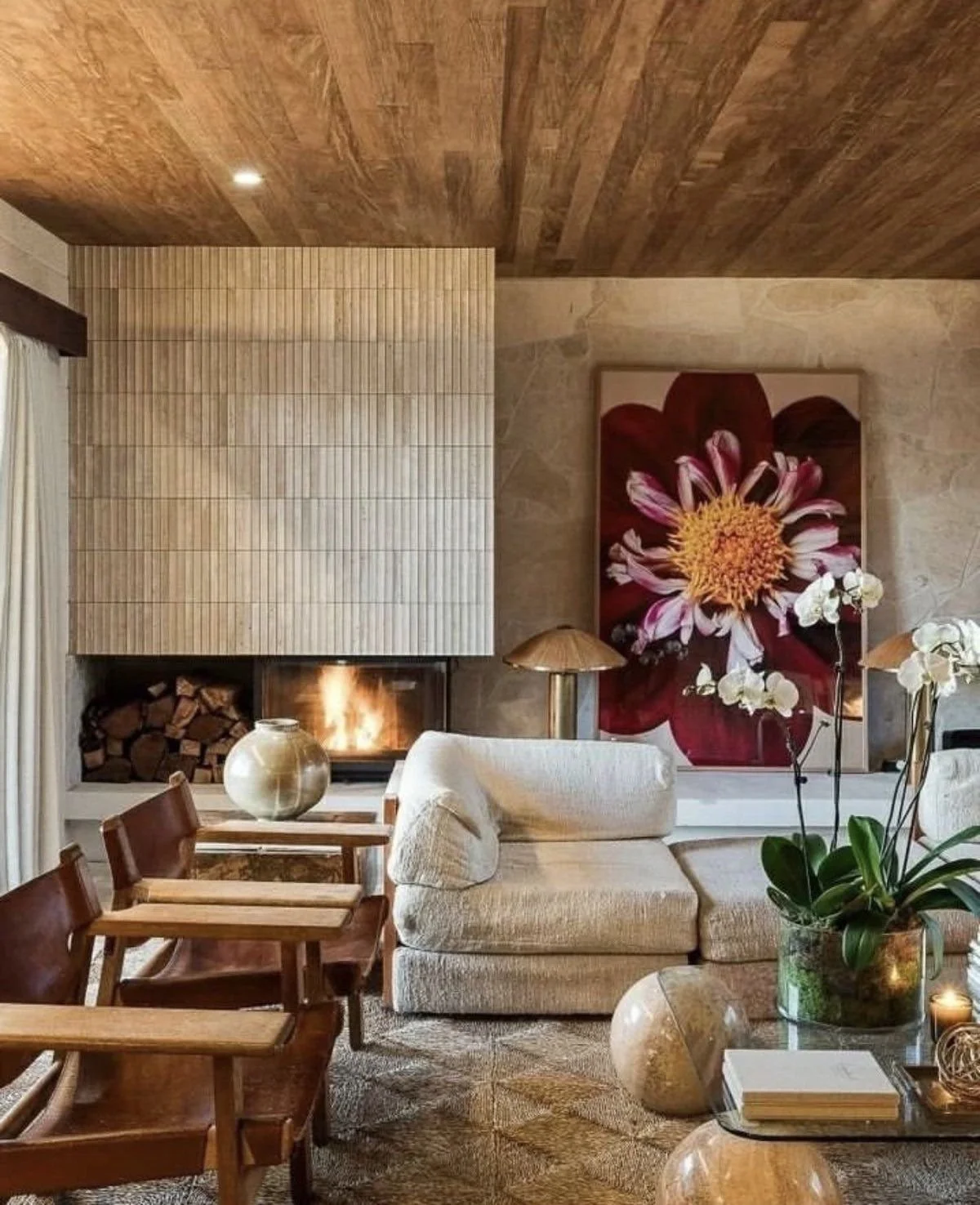
I remember standing in a centuries-old workshop in Italy watching a craftsman spend nearly an hour refining the edge of a single bronze handle. It wasn't solely because one might notice. It was because he would. That moment reminded me that true luxury has never been about expense. It has always been about care.
There is a common misconception that luxury is created by expensive furniture, rare materials, or an unlimited budget.
In my experience, that couldn't be further from the truth.
After more than twenty-five years designing homes around the world, from New York apartments and London townhouses to villas on the French Riviera, I have found that the most memorable interiors all have one thing in common, They feel effortless.
Not because they required less thought, but because every decision was made with intention.
True luxury isn't about impressing people the moment they walk through the door. It's about creating a home that quietly supports the way you live, making everyday moments feel beautiful, comfortable, and intuitive.
So what creates that feeling?
It Begins with Space, Not Furniture
One of the biggest mistakes people make is focusing on what to buy before considering how a room should function.
A beautiful sofa won't fix an awkward floor plan.
An expensive dining table won't make a room feel welcoming if circulation is compromised.
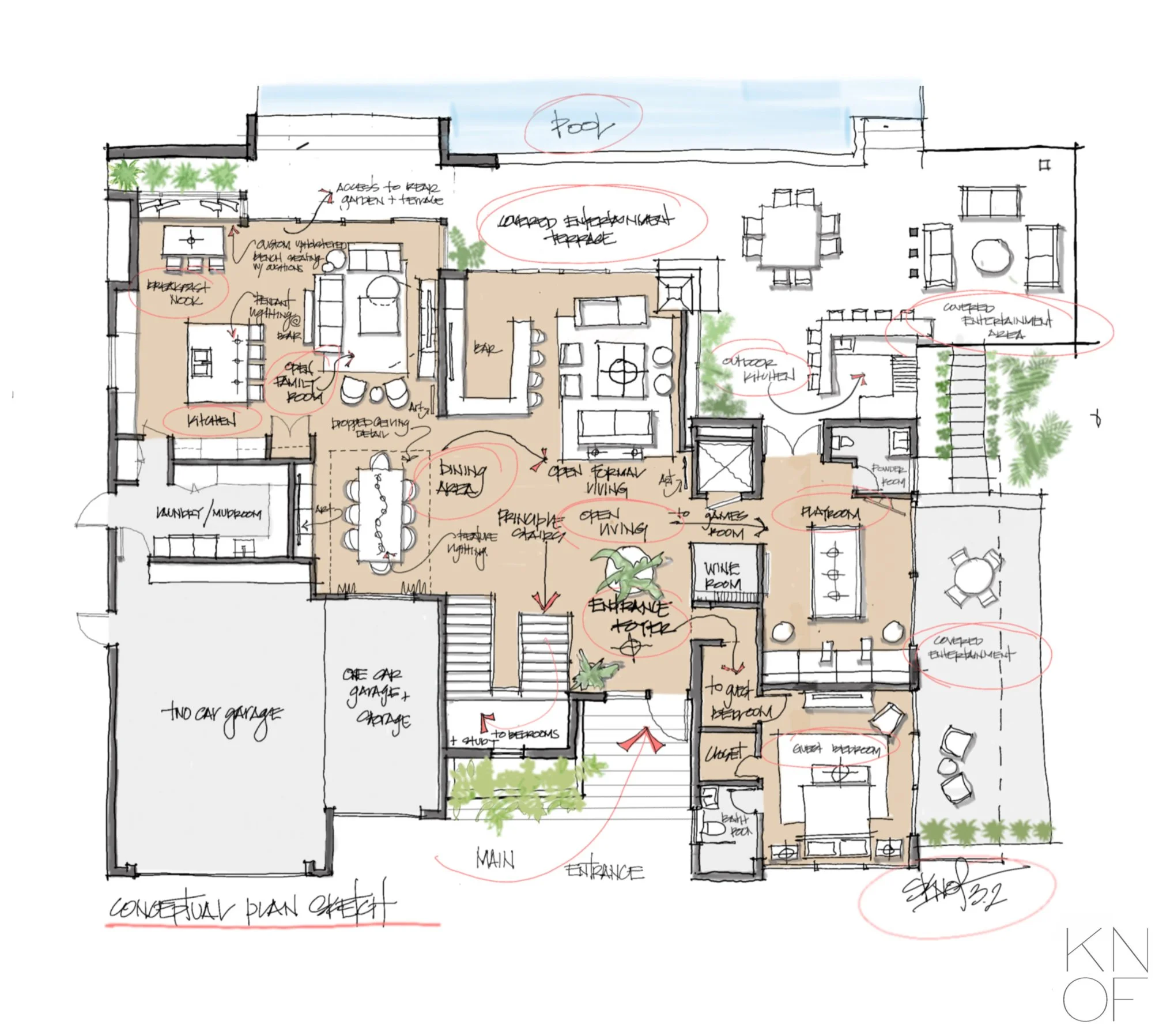
Before I think about fabrics, finishes, or furnishings, I think about movement.
How will someone enter the room?
Where will their eye naturally be drawn?
How will people gather, relax, entertain, or enjoy a quiet morning coffee?
The best interiors feel effortless because they have been carefully planned long before the furniture arrives. My process starts with hand sketching because it is open, fluid, explorative and my favorite part of the discovery process.
Less Noise. More Intention.
Luxury interiors rarely ask for attention.
Instead, they create a sense of calm.
Every object has a purpose.
Every material contributes to the overall atmosphere.
Rather than filling a room, I focus on editing it.
Removing visual clutter often has a greater impact than adding another decorative accessory.
The result is a home that feels composed rather than decorated.
Layering Creates Depth
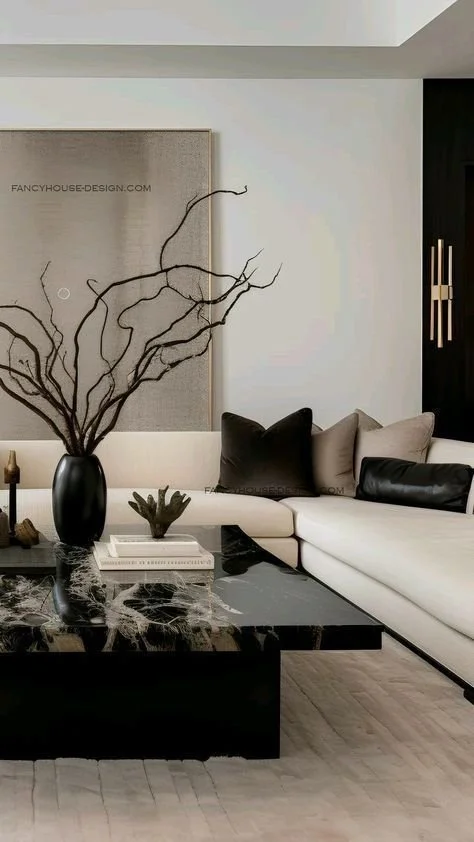
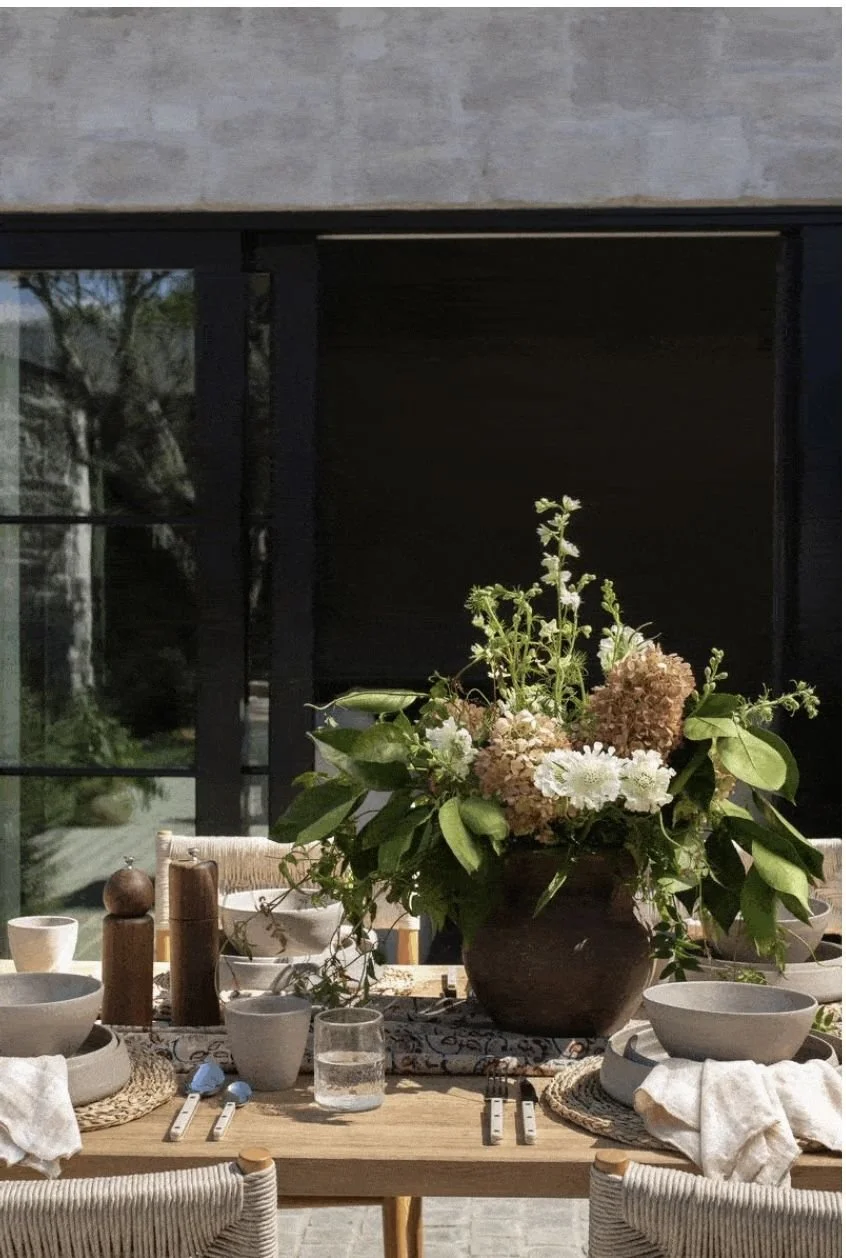
The most inviting interiors aren't built around a single statement piece.
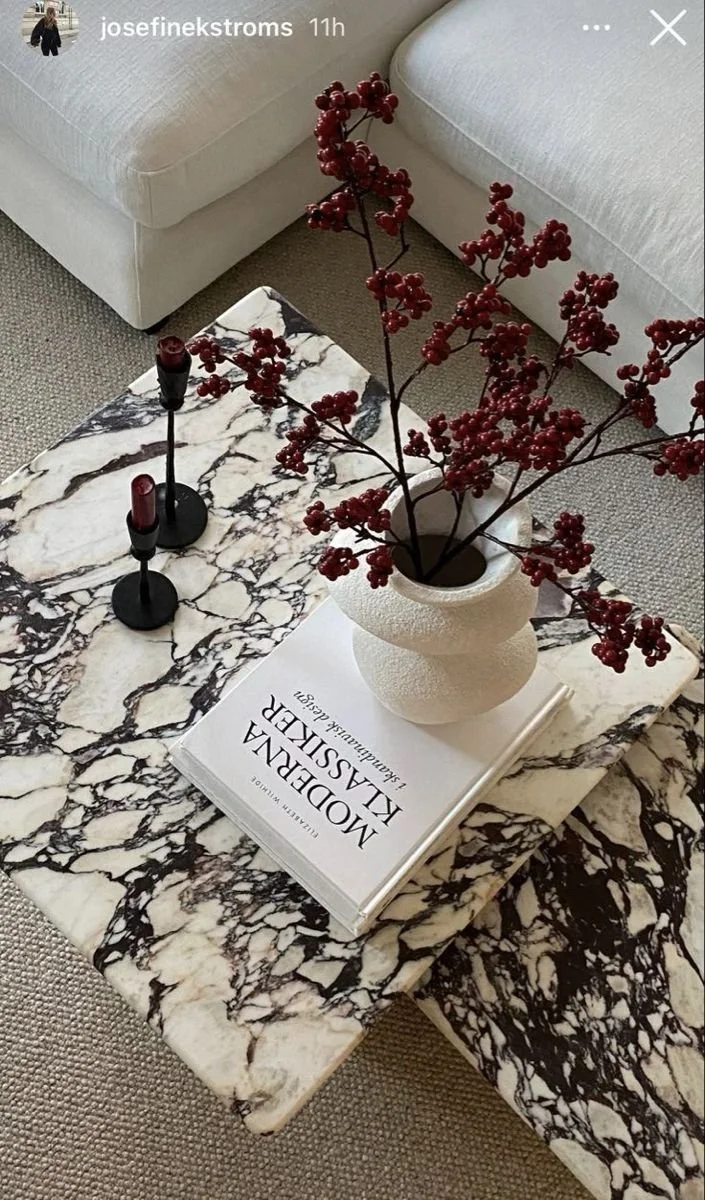
They're built through layers.
Natural textures.
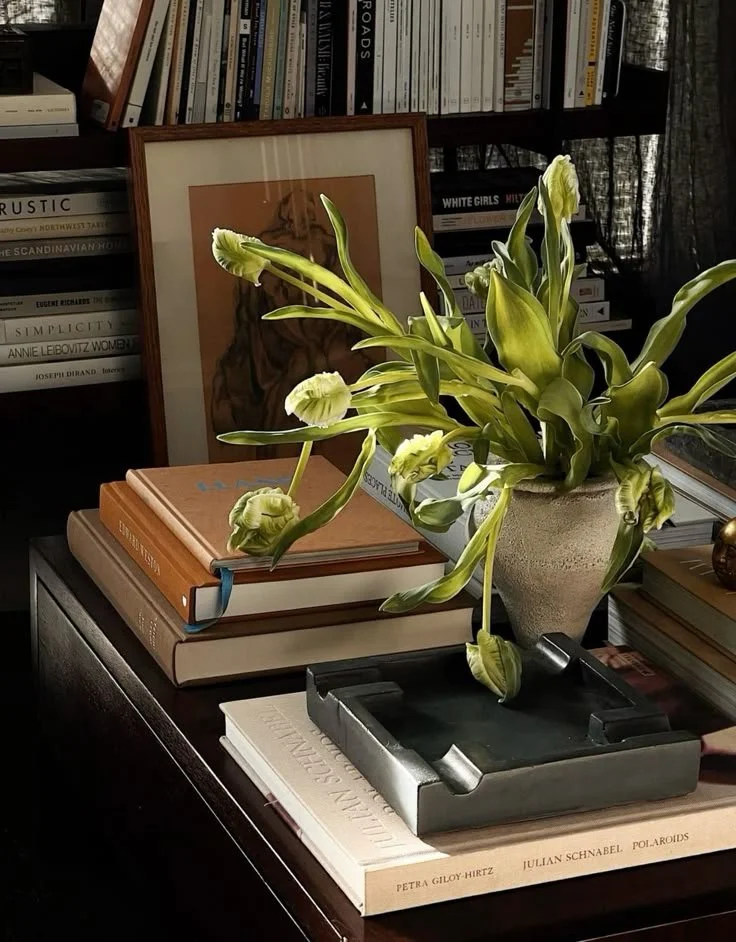
Thoughtfully selected artwork.
Lighting that changes throughout the day.
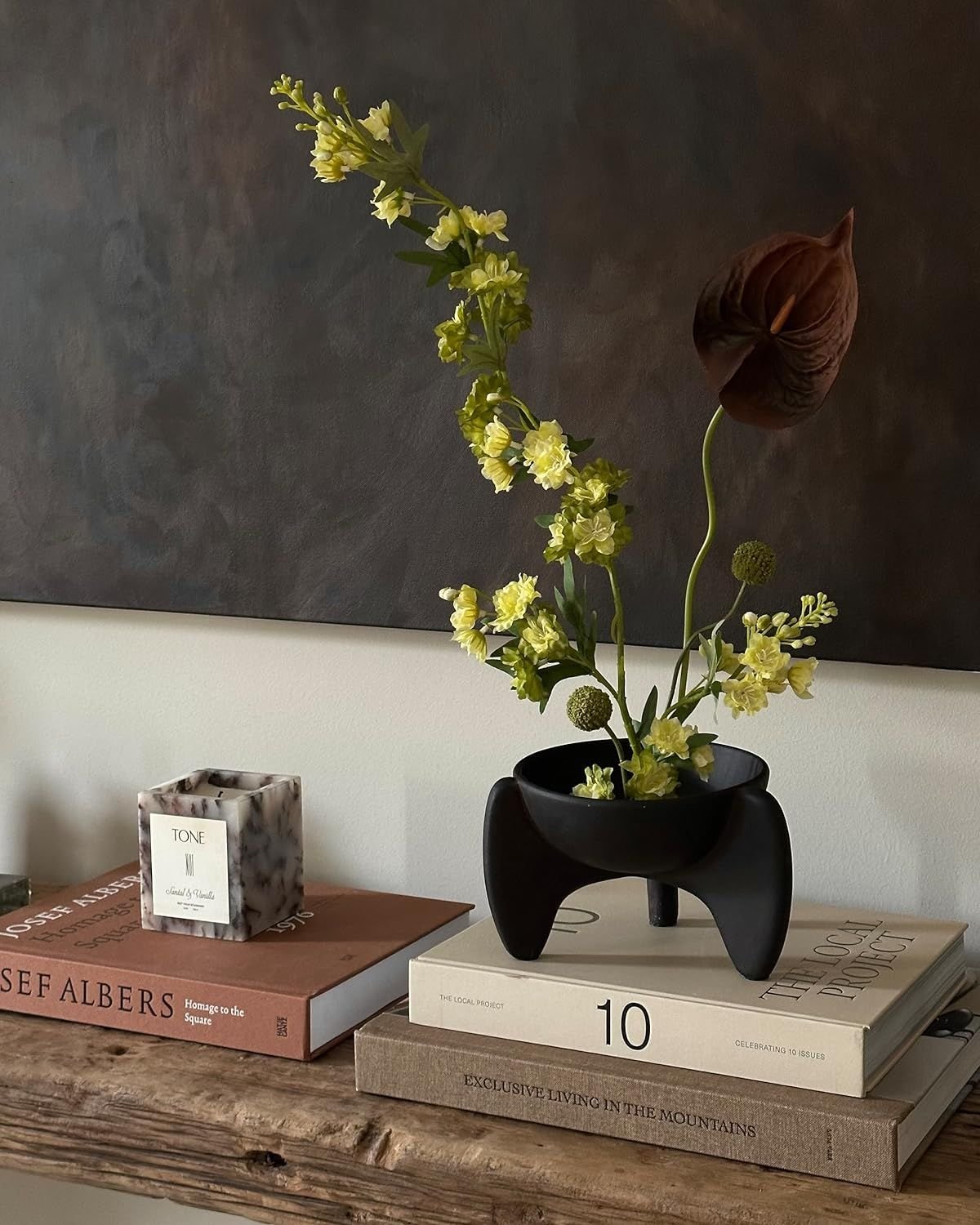
Books that reflect the people who live there.
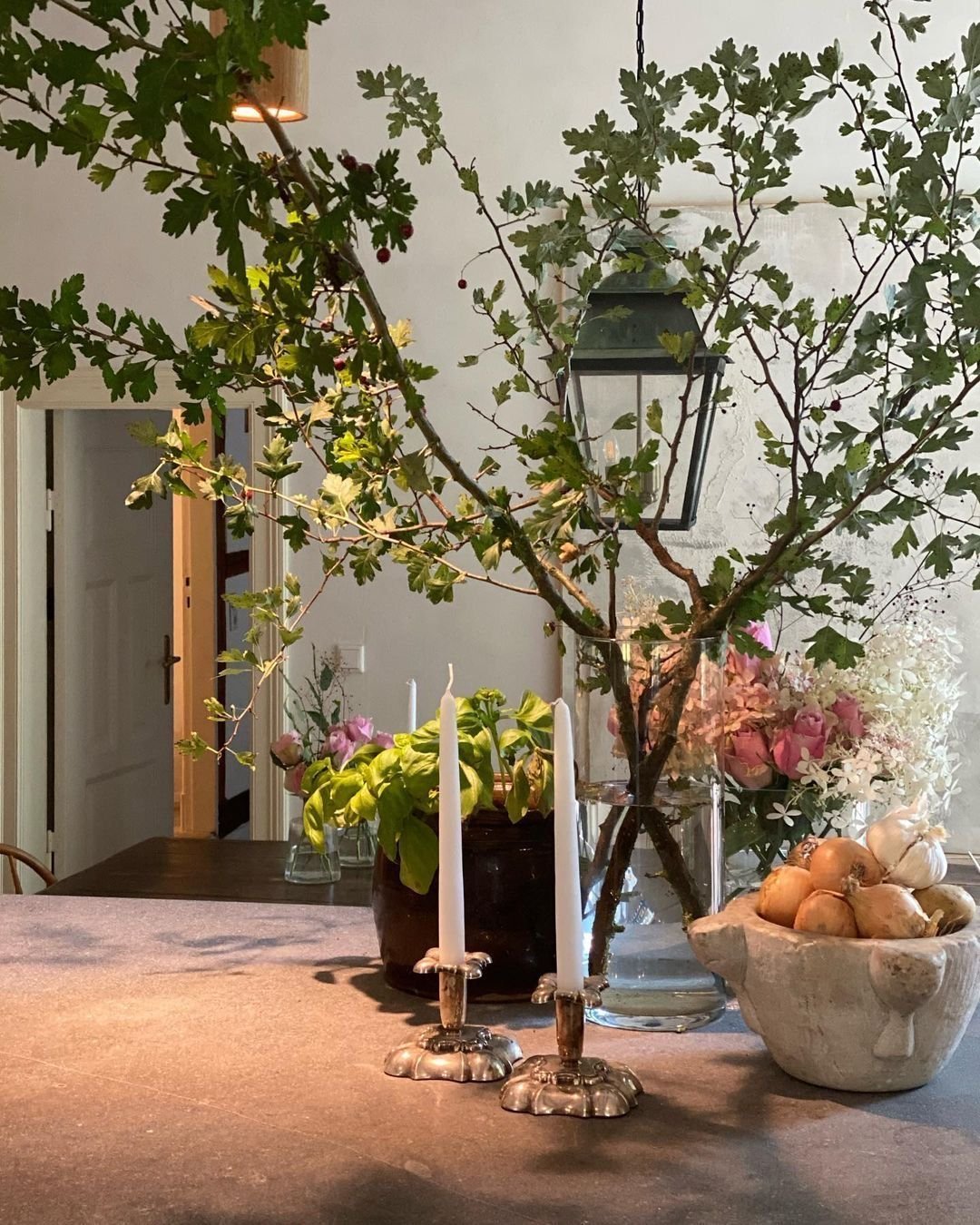
Objects collected through travel.
These elements give a home personality and authenticity. They tell a story that cannot be replicated by ordering an entire room from a catalogue.
The goal is never perfection.
It is character.
Materials That Improve with Time
One of the qualities I admire most in beautifully designed homes is that they become richer as they age.
Natural stone develops character.
Leather softens.
Timber gains warmth.
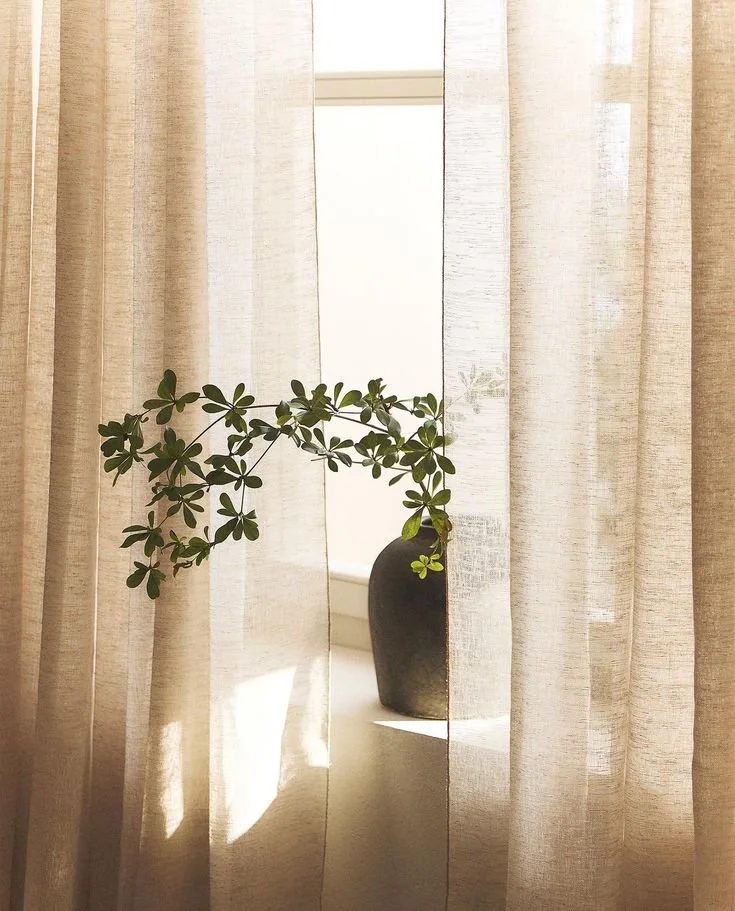
Linen relaxes.
These materials carry the marks of everyday life rather than hiding them.
In many ways, they remind us that true luxury is not something preserved behind glass—it is something to be lived in.
Craftsmanship Makes the Difference
In a world increasingly shaped by automation and mass production, I remain drawn to the human touch.
From the first pencil sketch to the final installation, the most meaningful interiors are those shaped by skilled hands, thoughtful craftsmanship, and genuine care.
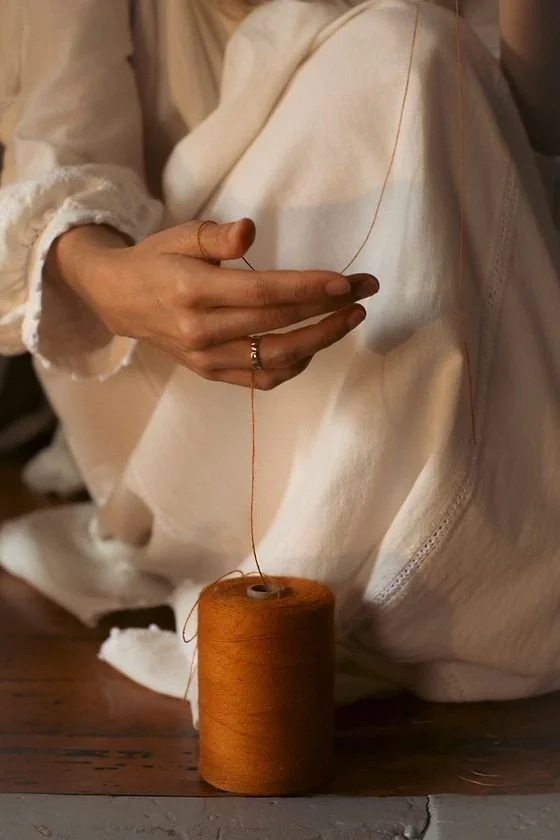
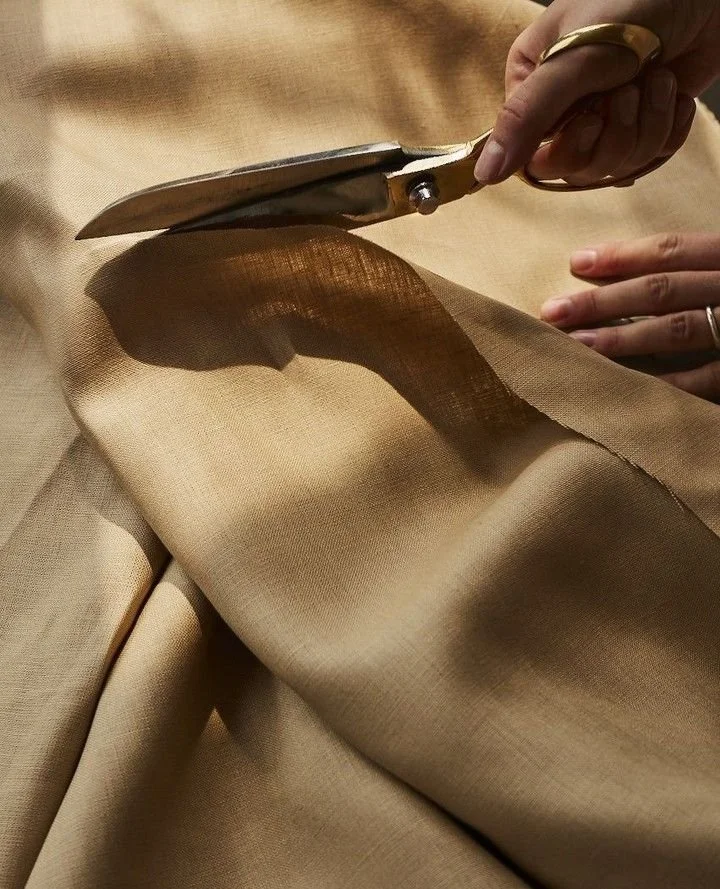
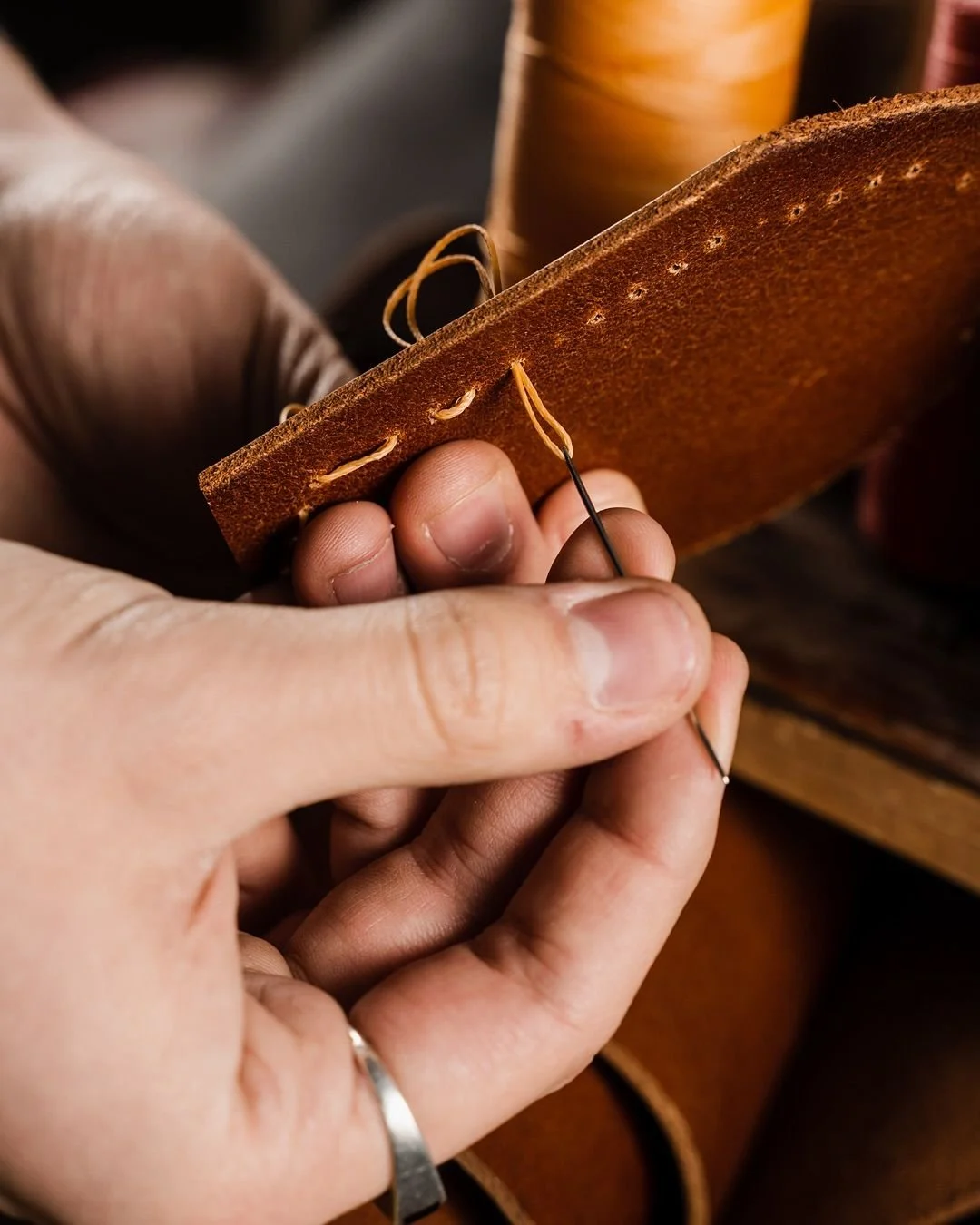
Whether it is a master cabinetmaker, upholsterer, stonemason, metalworker, or decorative artist, each person leaves something of themselves in the finished space.
That craftsmanship cannot be manufactured.
It is felt.
Light Is the Most Valuable Material
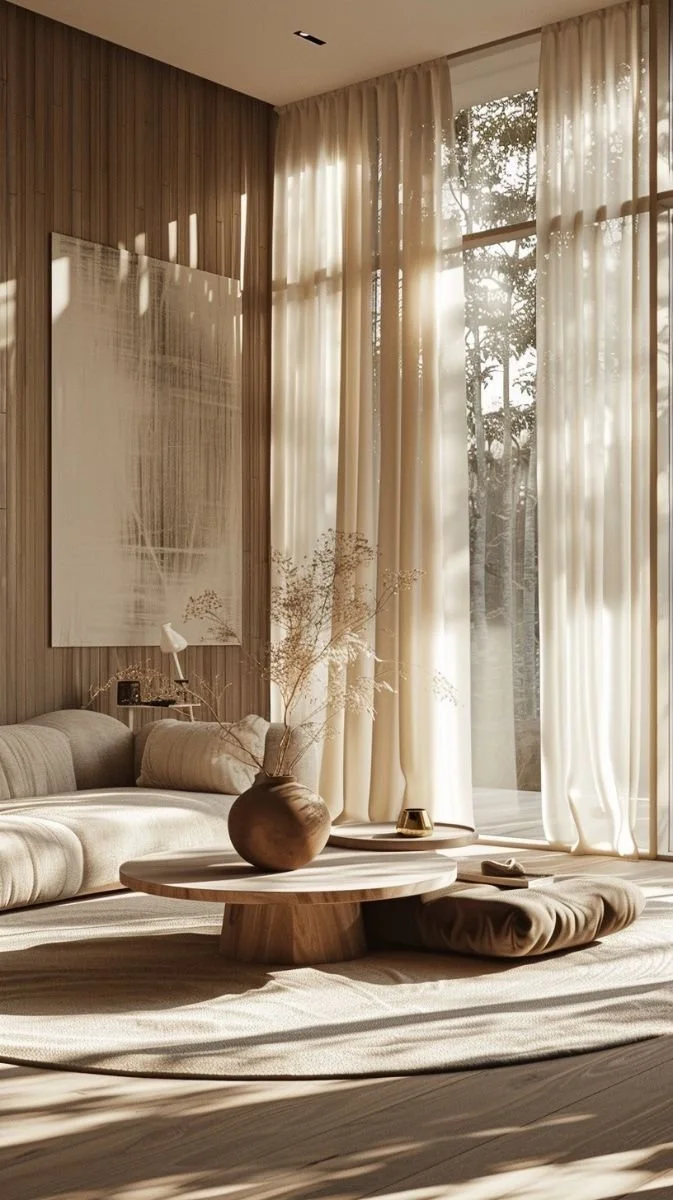
If I could invest in one element of a home before any piece of furniture, it would be light.
Natural light changes the way colours are perceived.
It influences mood.
It reveals texture.
As daylight shifts throughout the day, a well-designed room transforms with it.
Artificial lighting should simply continue that experience into the evening, creating warmth rather than brightness.
The most luxurious homes are rarely the brightest.
They are the most atmospheric.
A Home Should Reflect a Life, Not a Trend
The homes that stay with us are rarely those that followed the latest trend.
They reflect the people who live there.
Their travels.
Their collections.
Their memories.
Their routines.
Their values.
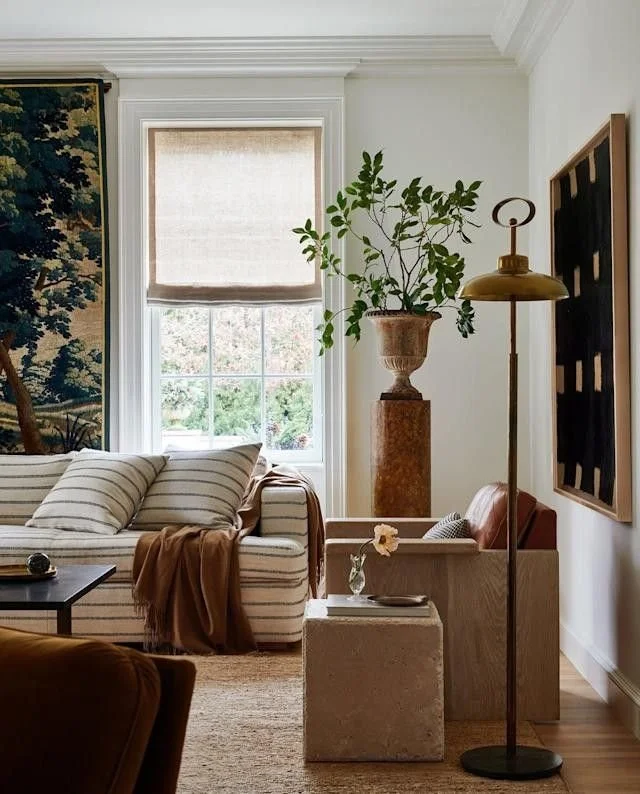
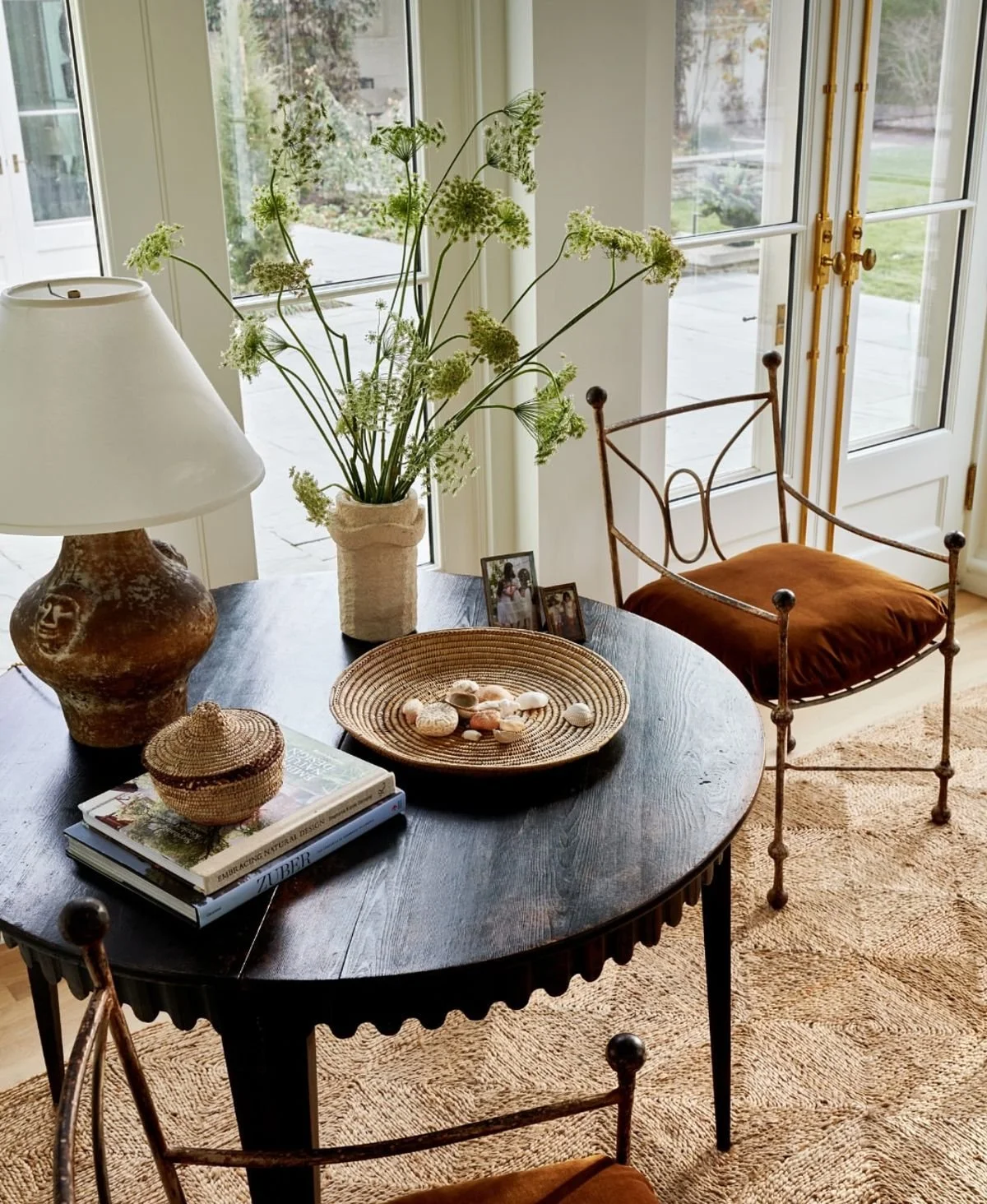
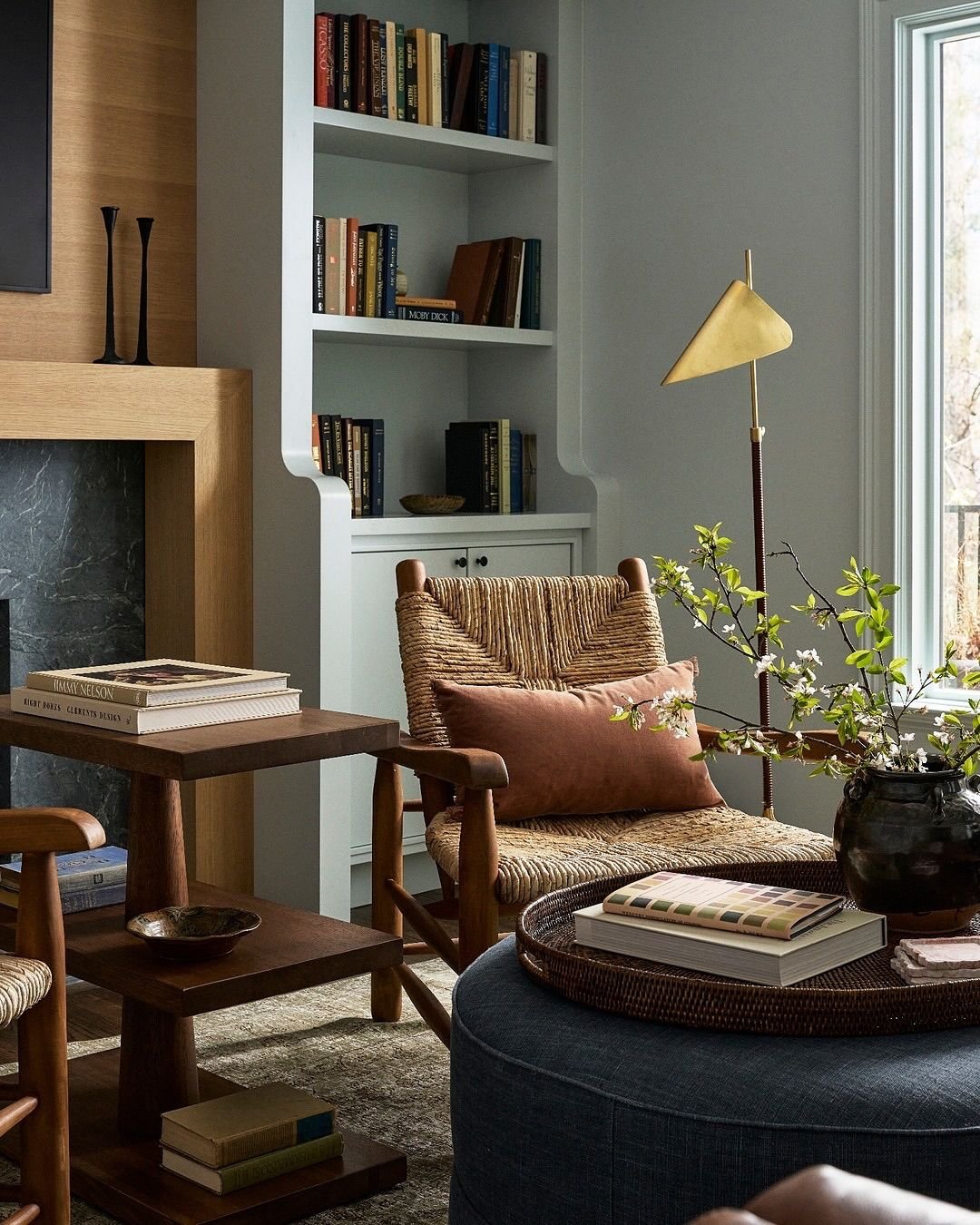
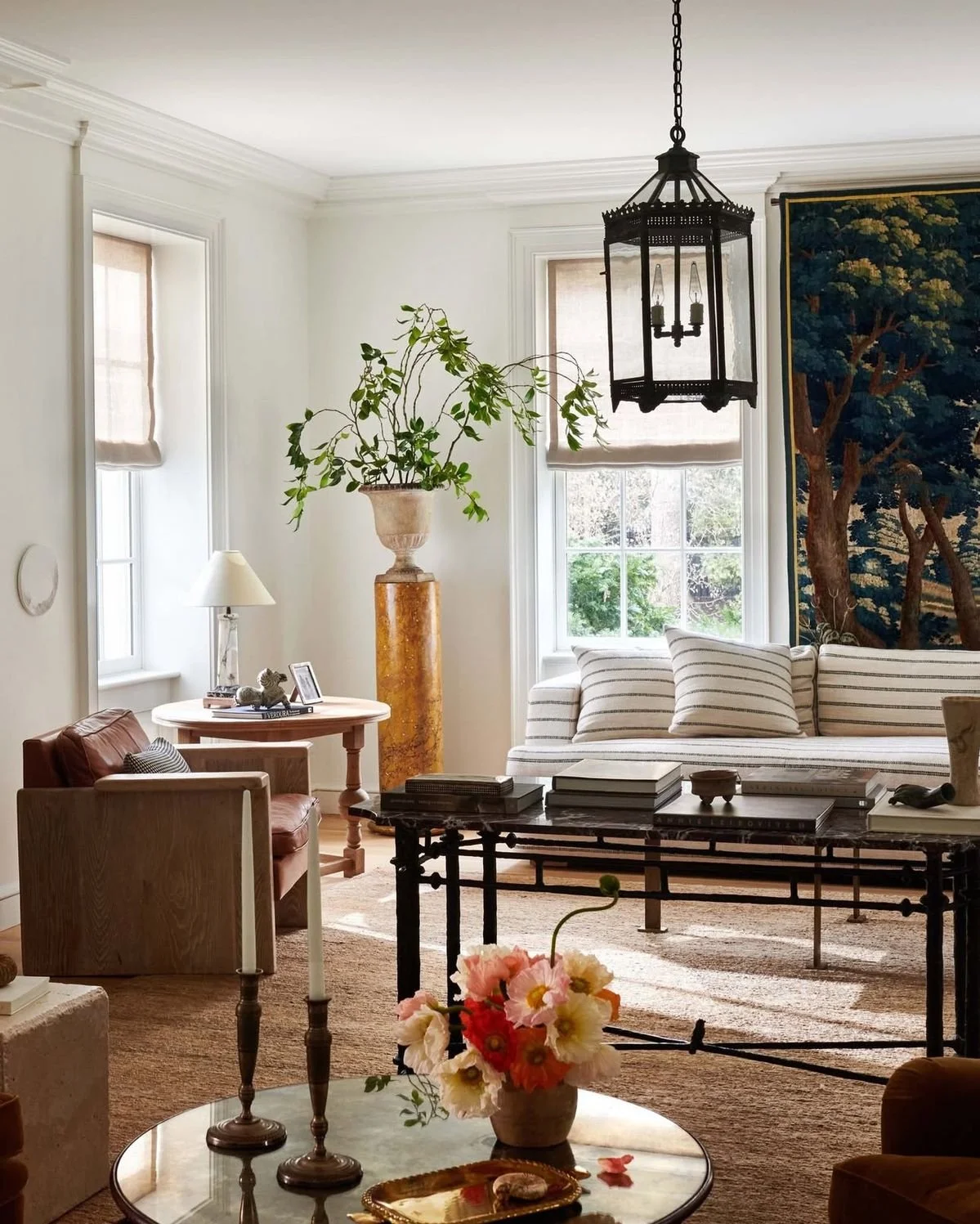
Some of my favourite projects include pieces sourced from local artisans, antiques discovered while travelling, and bespoke furniture designed specifically for the family who would use it.
These are the details that make a home impossible to duplicate.
The Quiet Confidence of Good Design
Perhaps that is the true secret behind homes that feel effortlessly luxurious.
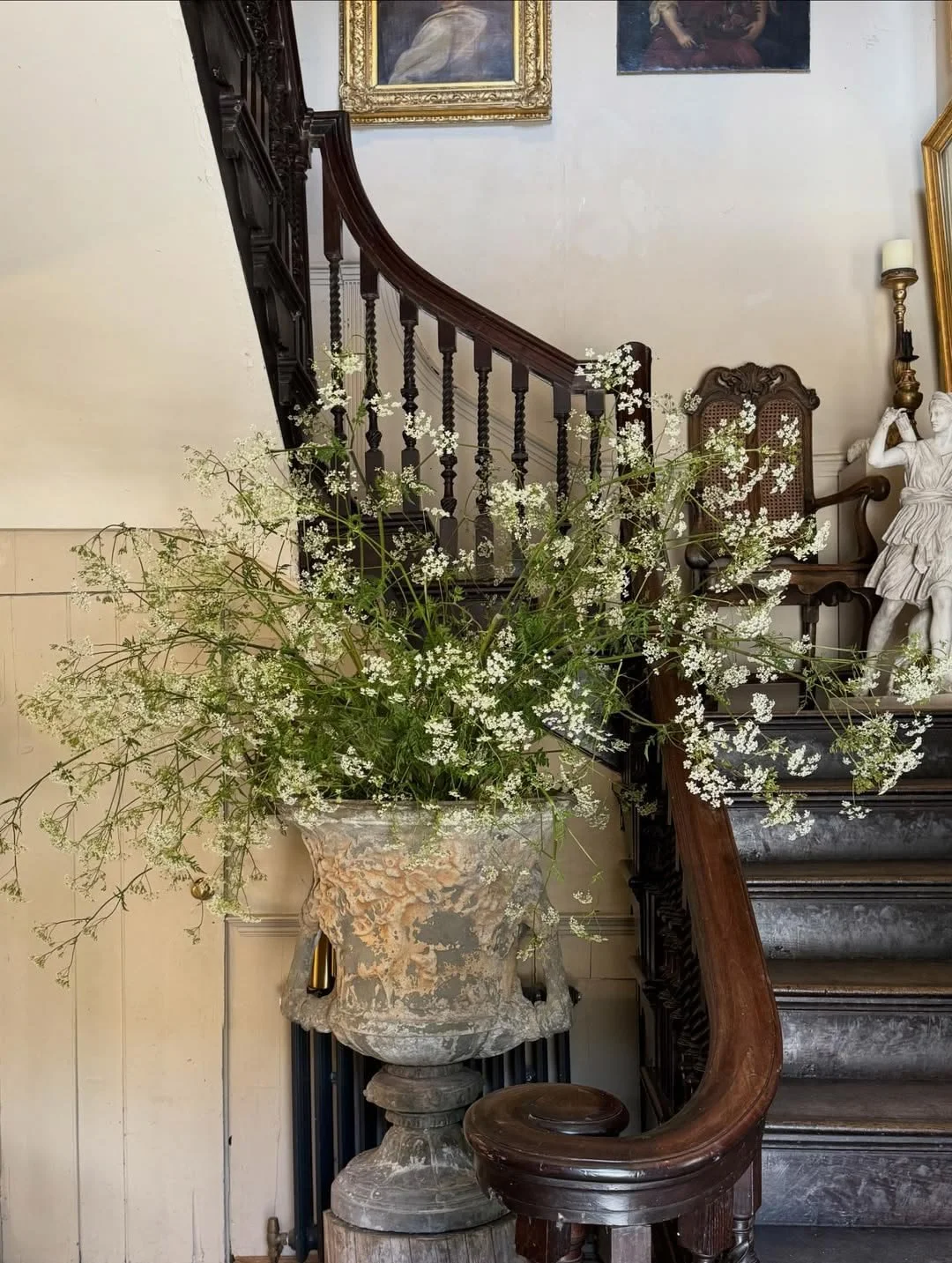
They don't compete for attention.
They don't rely on excess.
They don't chase trends.
Instead, they are built on thoughtful planning, craftsmanship, timeless materials, and an understanding of how people want to live.
Luxury, at its best, isn't something you notice immediately.
It's something you feel.
Long after you've left.
Design Takeaway
• Prioritize flow before furniture.
• Invest in craftsmanship over quantity.
• Choose natural materials that improve with age.
• Design around how you want to feel, not simply how you want a room to look.

