

The Ultimate Guide to Designing a Luxurious Master Bedroom
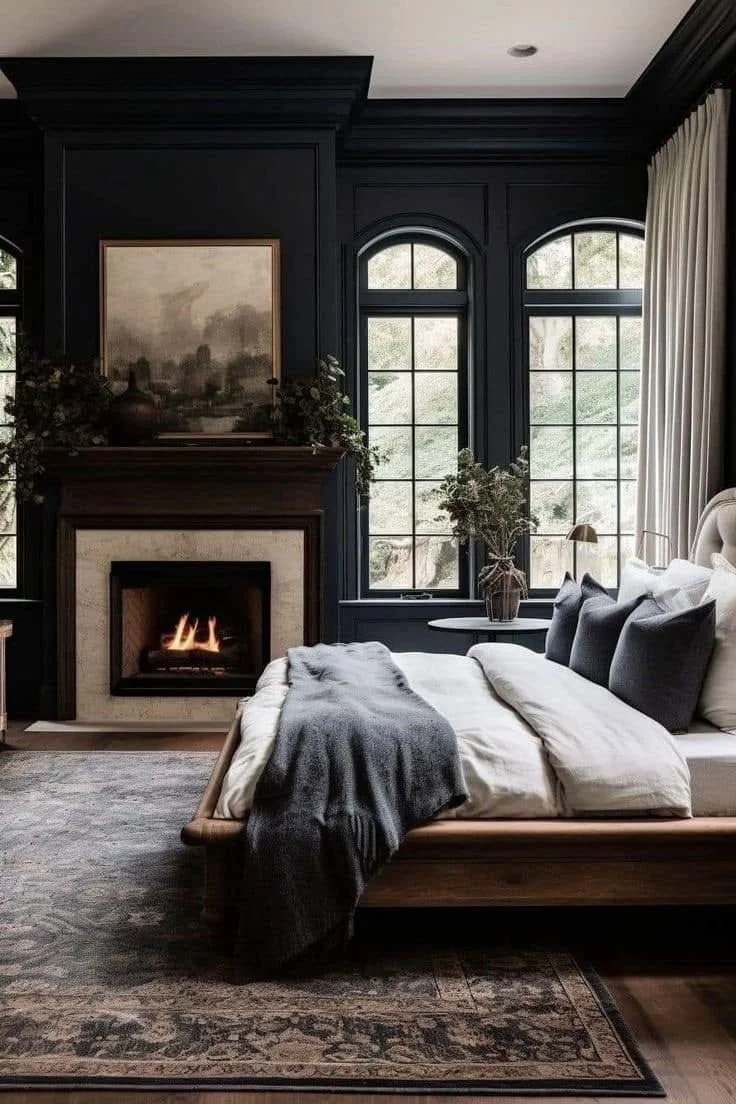
A truly luxurious master bedroom is never about excess, it’s about intention.
The best spaces feel layered, calm, and deeply personal, as though every element was chosen not to impress, but to endure. Luxury, at its highest level, is quiet confidence.
Whether you’re designing a primary suite from the ground up or refining an existing space, this guide explores the foundational principles that define a refined, hotel-level master bedroom—one that feels both elevated and effortlessly livable.
1. Begin With Atmosphere, Not Furniture
Before selecting a bed or nightstand, consider how you want the room to feel. Is it cocooning and intimate? Light-filled and serene? Moody and architectural?
Luxury bedrooms are designed from the inside out, starting with mood. This informs everything that follows, from color palette to material choices to lighting temperature. Soft neutrals, warm whites, stone hues, and muted earth tones create a timeless base, while deeper shades like charcoal, navy, or olive can add depth without overwhelming the space.
The goal is cohesion. Every decision should reinforce the same emotional experience.
2. Invest in Architectural Foundations
High-end bedrooms often feel luxurious because of what’s built in, not what’s placed inside.
Architectural details such as custom wall paneling, subtle moldings, ceiling treatments, or integrated millwork add depth and permanence. These elements elevate the room before a single piece of furniture enters the space.
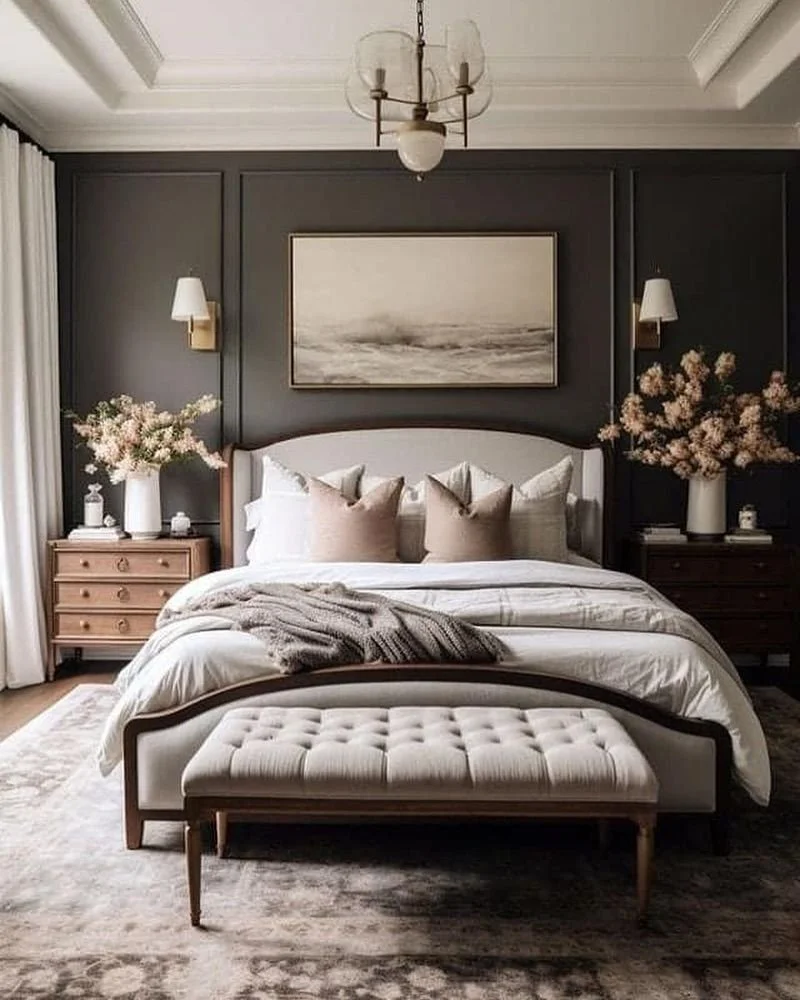
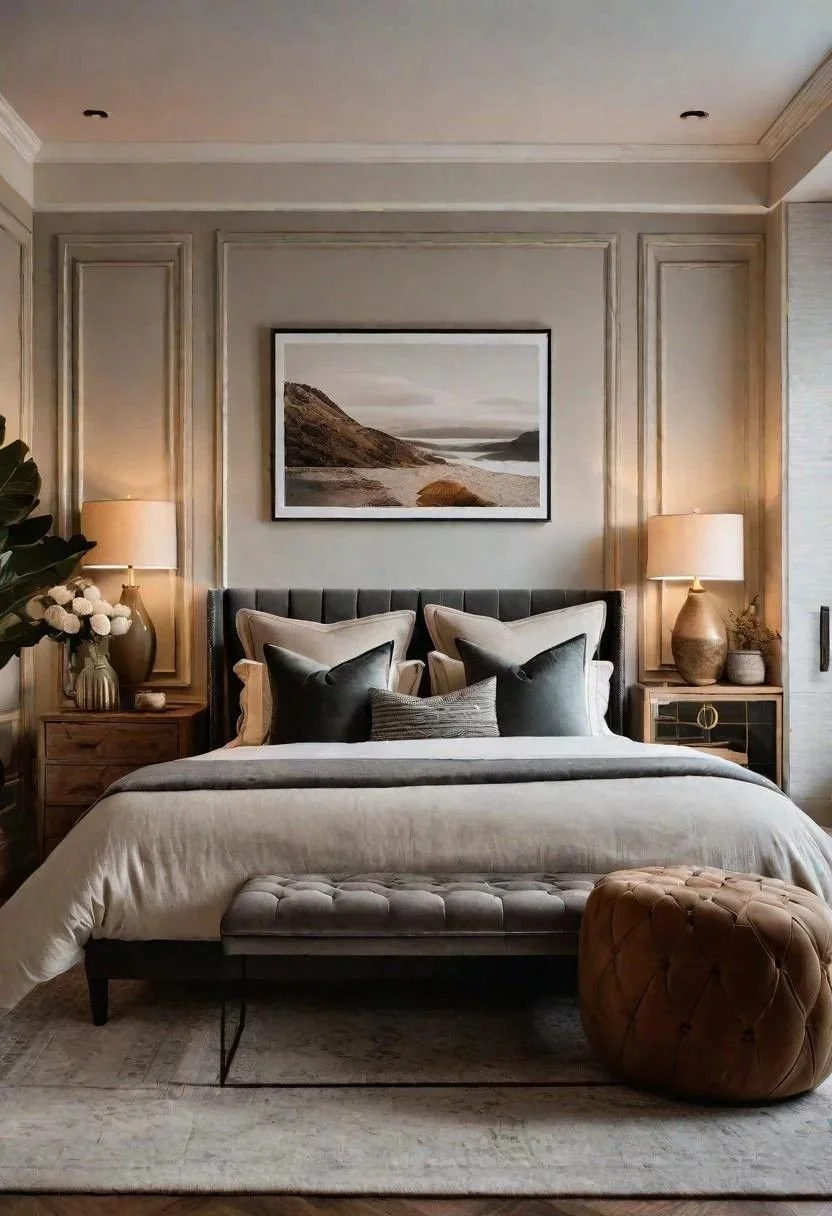
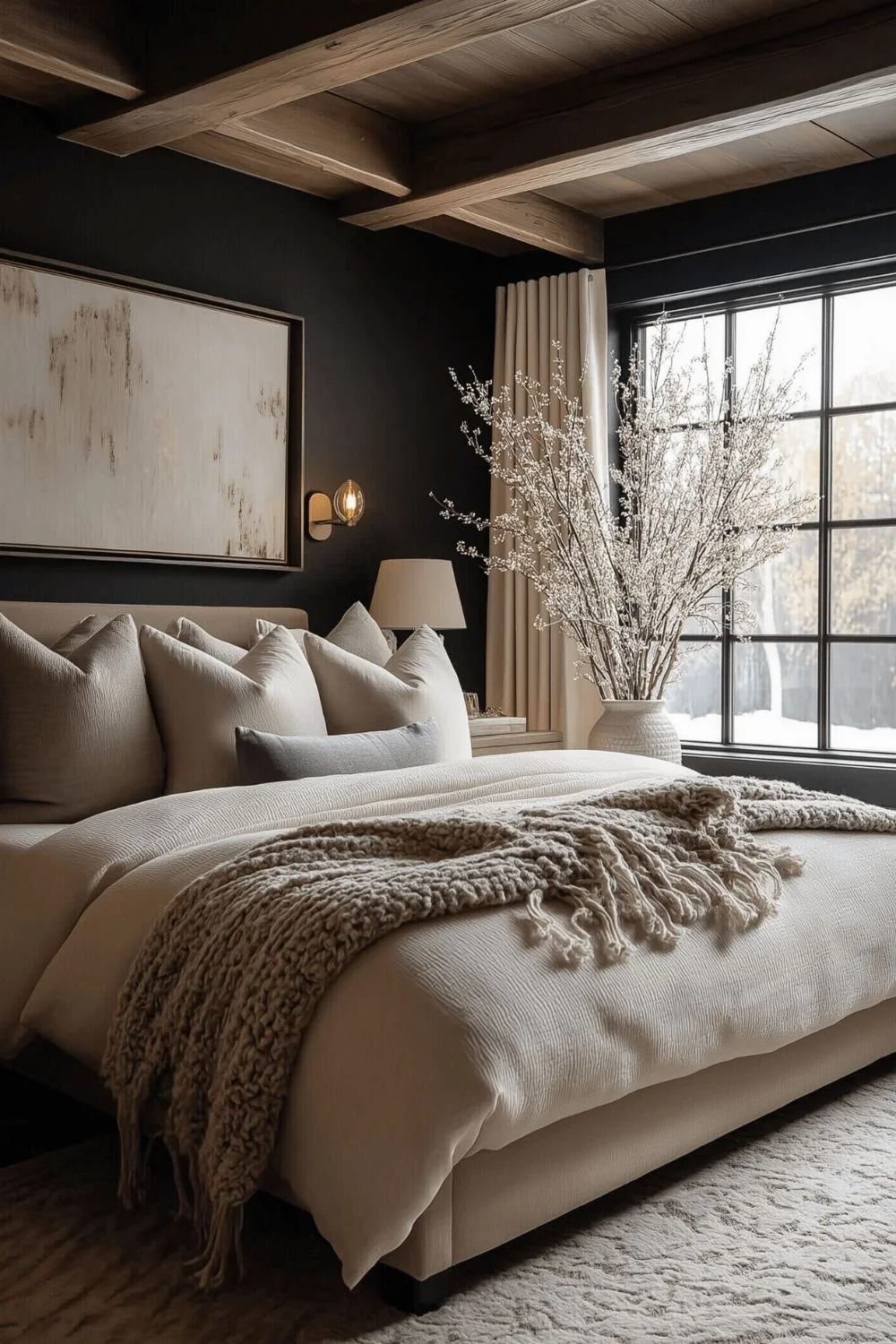
If structural changes aren’t possible, consider architectural illusion, textured wall coverings, oversized headboards that span the width of the room, or floor-to-ceiling drapery can all create the same sense of intention and scale.
3. Prioritize the Bed as a Design Statement
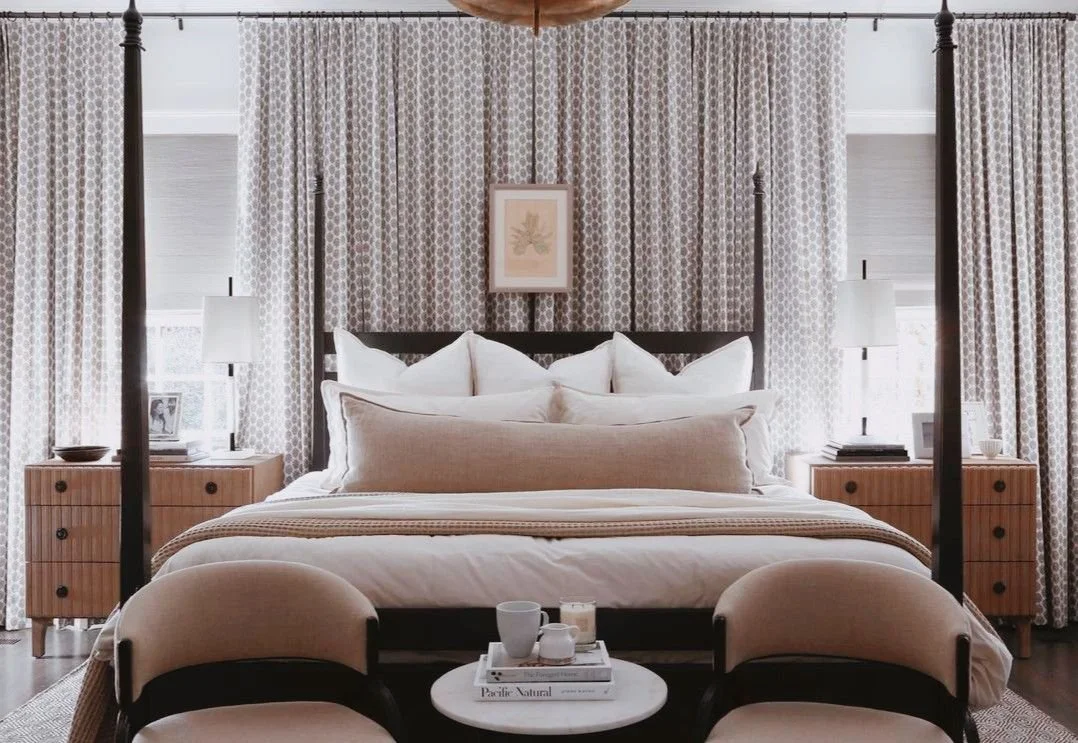
In a master bedroom, the bed is the anchor. Scale matters here, an undersized bed can make even the most beautiful room feel off balance.
Opt for a generously proportioned frame with a substantial headboard, upholstered in a refined fabric such as linen, bouclé, velvet, or leather. Custom or bespoke designs allow for precise proportions and material selection, ensuring the bed feels integrated rather than added on.
Layering is always key, crisp sheets, plush duvets, tailored coverlets, and thoughtfully chosen pillows create a look that feels inviting rather than overstyled.
SHOP OUR BEDDING FAVORITES TO CREATE THE ULTIMATE LAYERED LOOK

4. Layer Lighting Like a Designer
Lighting is one of the most overlooked elements in bedroom design. It is also one of the most transformative.
A luxurious master bedroom relies on layered lighting:
Ambient lighting for overall illumination
Task lighting for reading and dressing
Accent lighting to highlight architectural features or art
Soft, warm light is essential. Dimmable fixtures allow the room to shift seamlessly from day to evening, while bedside sconces or pendants free up surface space and add a custom feel.
Lighting should flatter, not dominate. When done well, it’s barely noticed, yet deeply felt.
SET THE MOOD WITH VARYING LIGHTING TYPES
5. Use Materials That Invite Touch
Luxury is tactile. The most beautiful bedrooms engage the senses through texture and materiality.
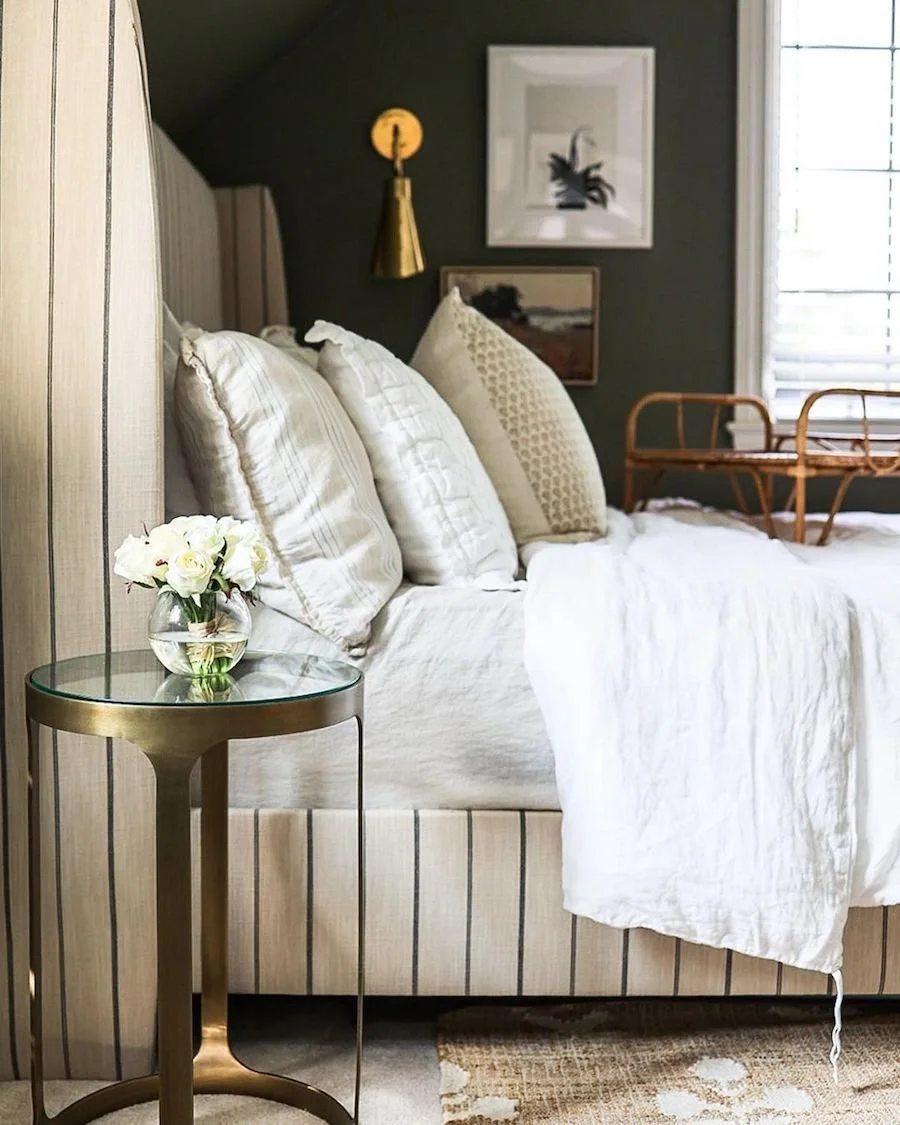
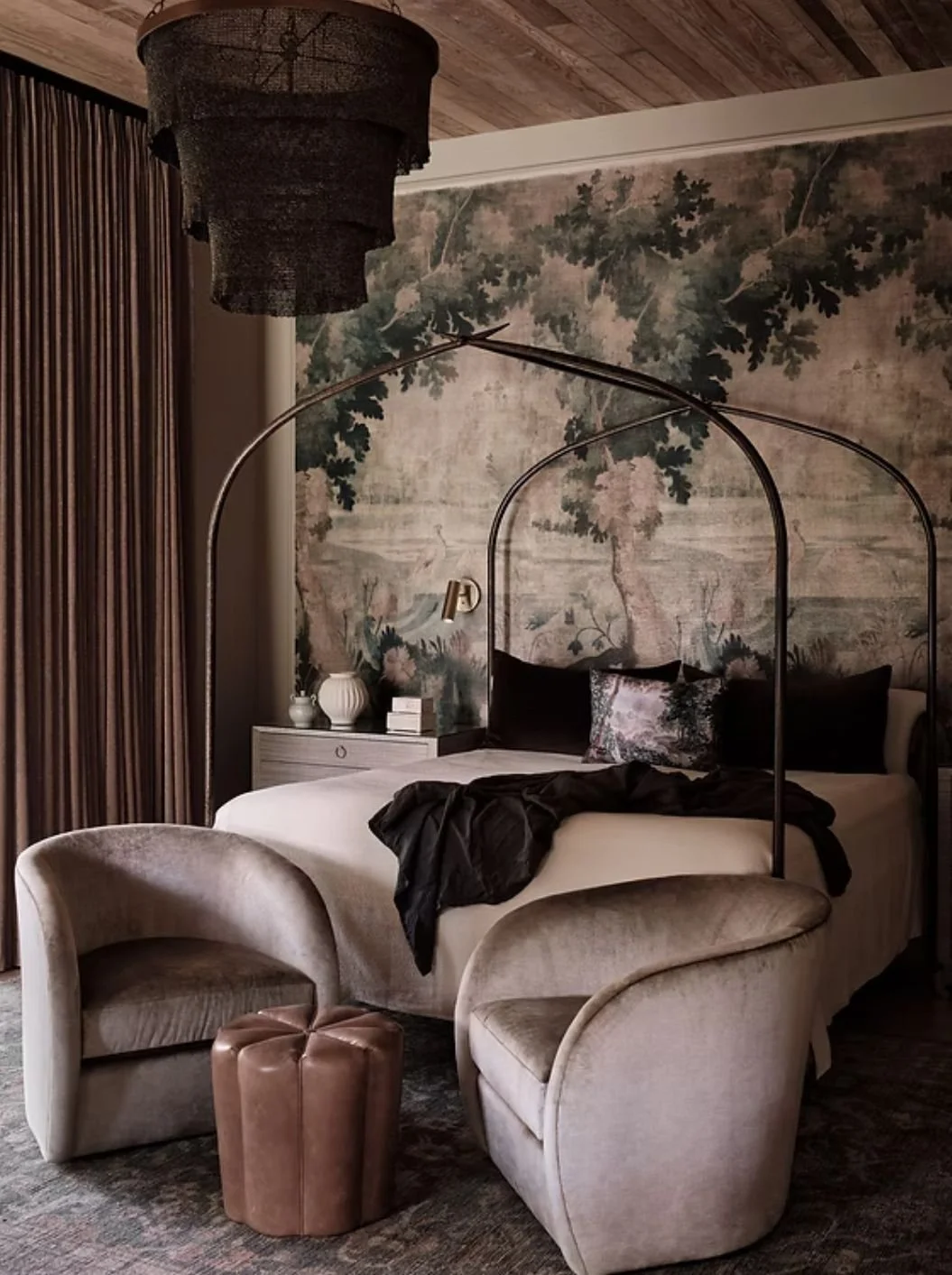
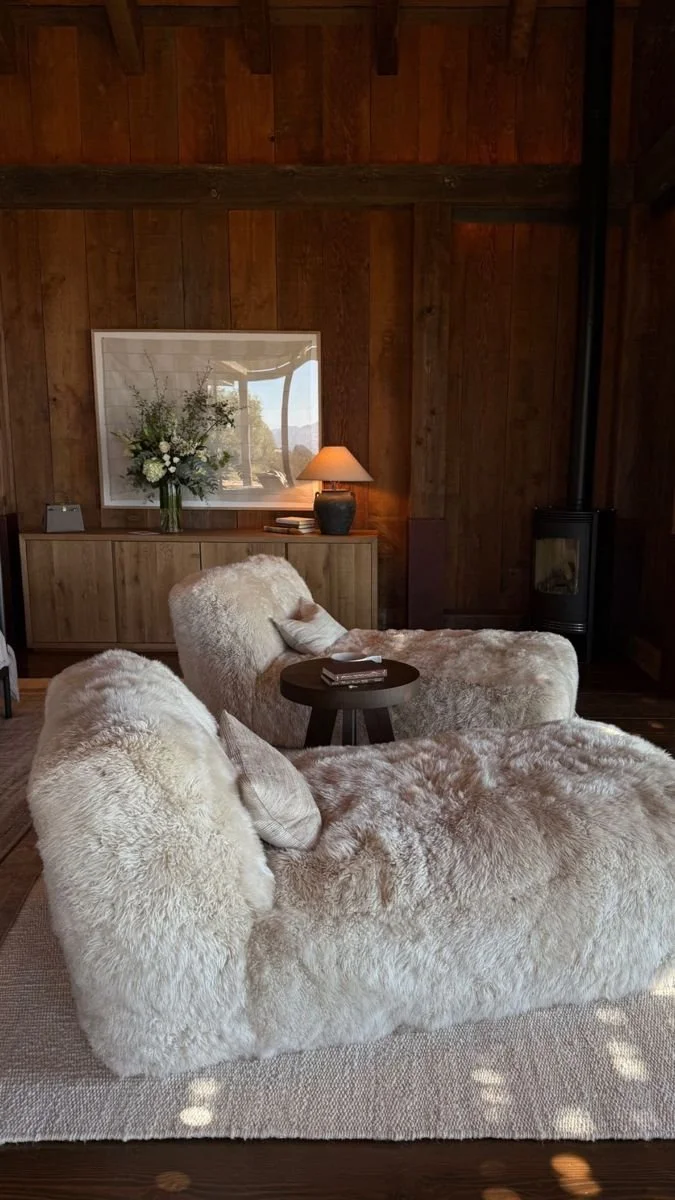
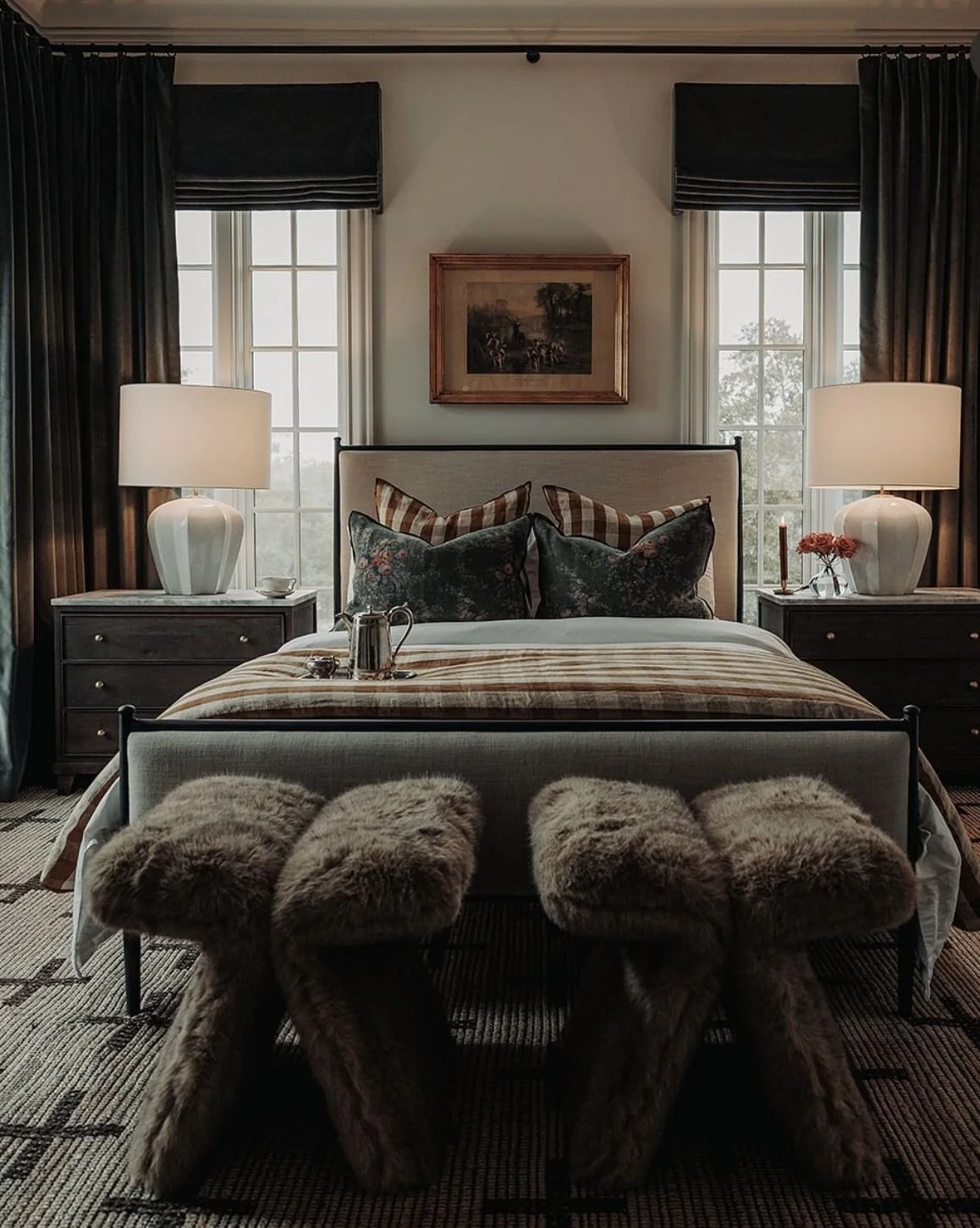
Think natural wood, stone, handwoven rugs, cashmere throws, silk or linen drapery, and softly upholstered seating. Contrast is important. Why not pair smooth finishes with textured ones, matte with subtle sheen.
Avoid anything overly glossy or trend-driven. Timeless materials age gracefully and contribute to a sense of quiet sophistication.
SHOP STYLISH RUGS TO ADD COLOR, DEPTH and TEXTURE
6. Create a Thoughtful Furniture Layout
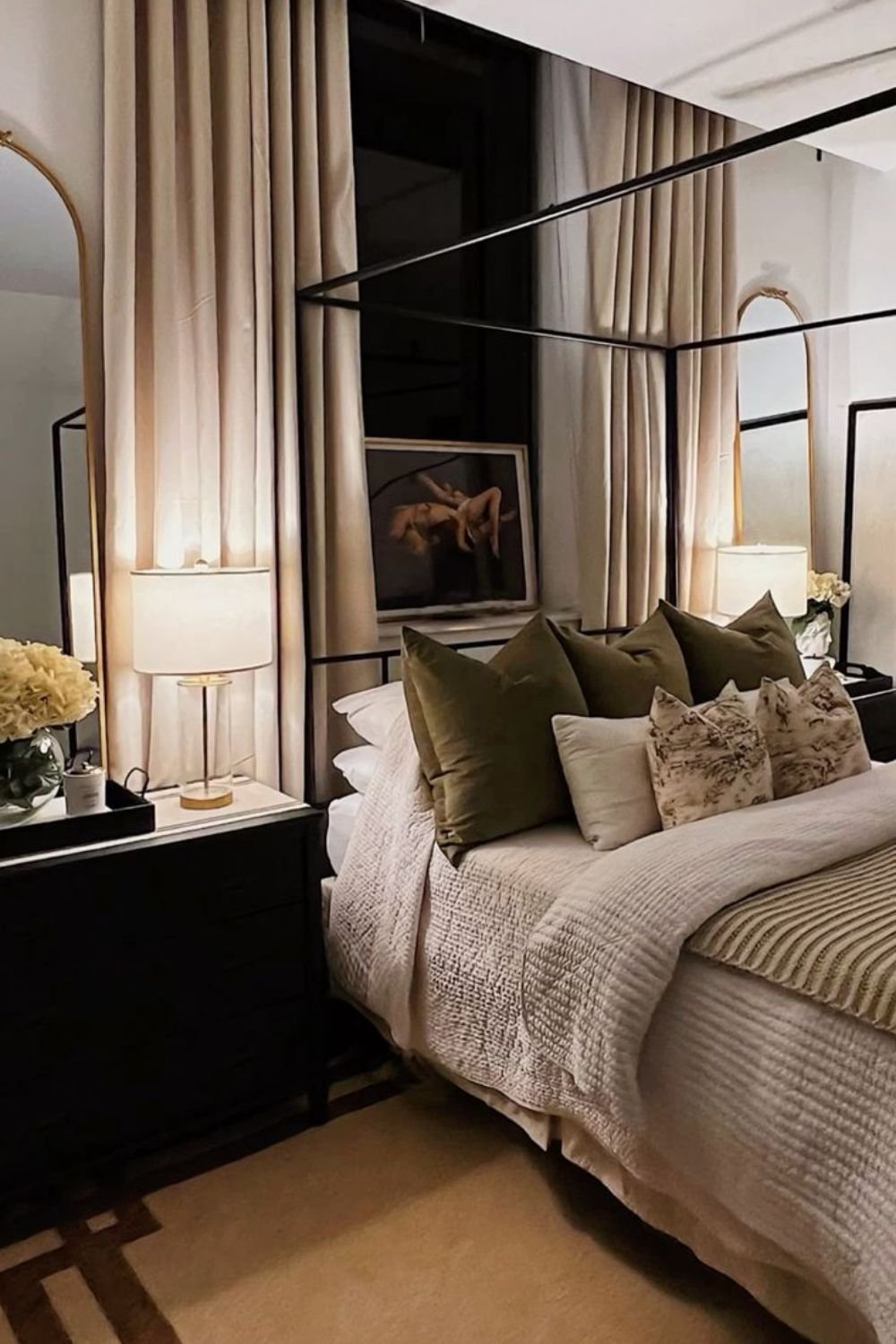
A high-end master bedroom should feel spacious, even if it isn’t oversized. This comes down to proportion and flow.
Nightstands should relate comfortably to the bed’s scale. Seating, whether a pair of lounge chairs, a bench, or a chaise, they should feel intentional, not like an afterthought. Walkways should remain generous and unobstructed.
Negative space is not emptiness; it’s restraint. Allowing the room to breathe is one of the most powerful luxury moves you can make.
7. Curate, Don’t Decorate
Luxury interiors are edited. Every object earns iIts place.
Artwork should feel personal and considered. deally oversized rather than clustered. Accessories should be minimal but meaningful.
A sculptural lamp, a ceramic vessel, or a single coffee-table book can speak louder than a collection of smaller items.
SHOP ACCENTS PIECES TO CREATE A CURATED HOME
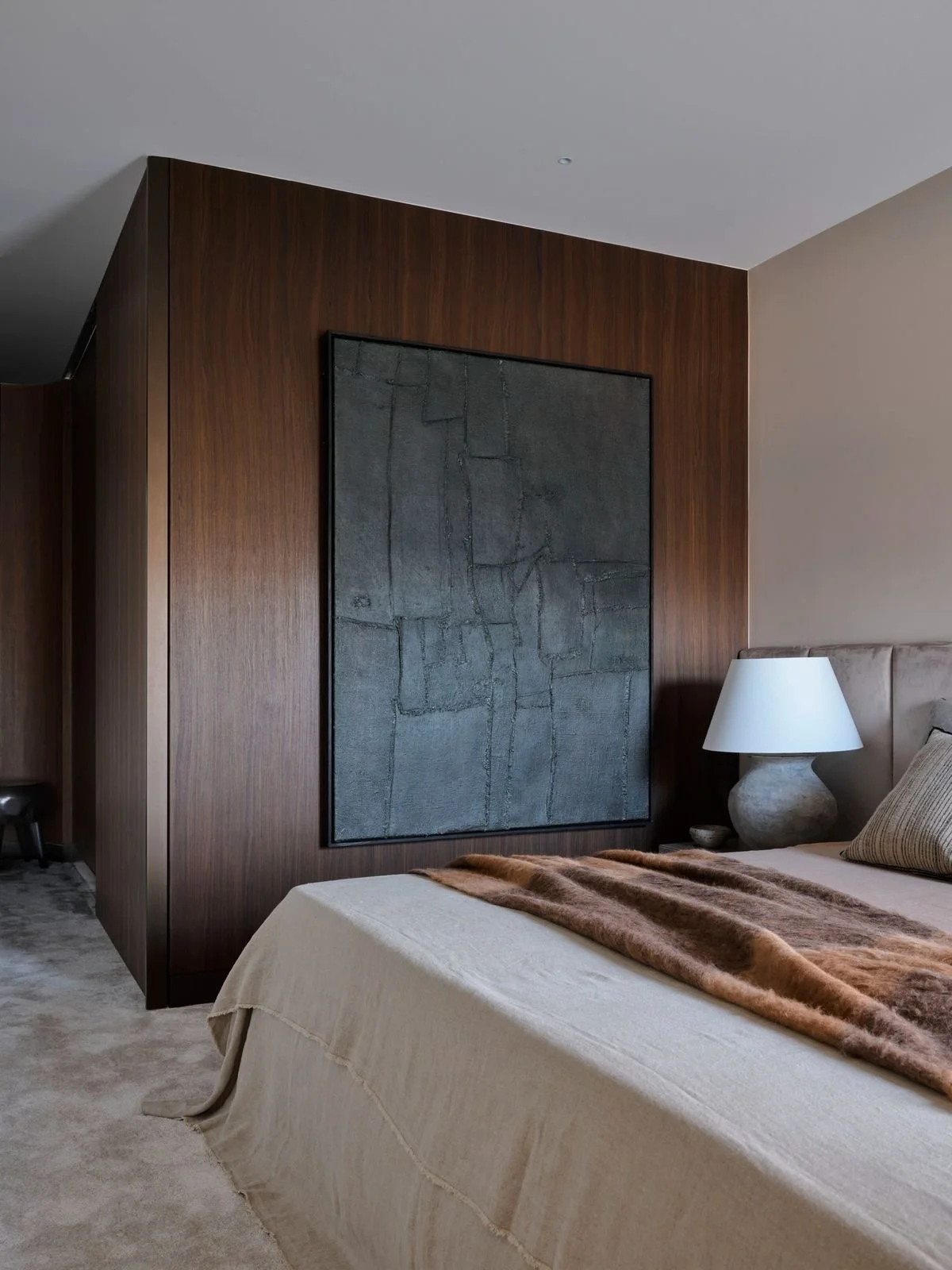
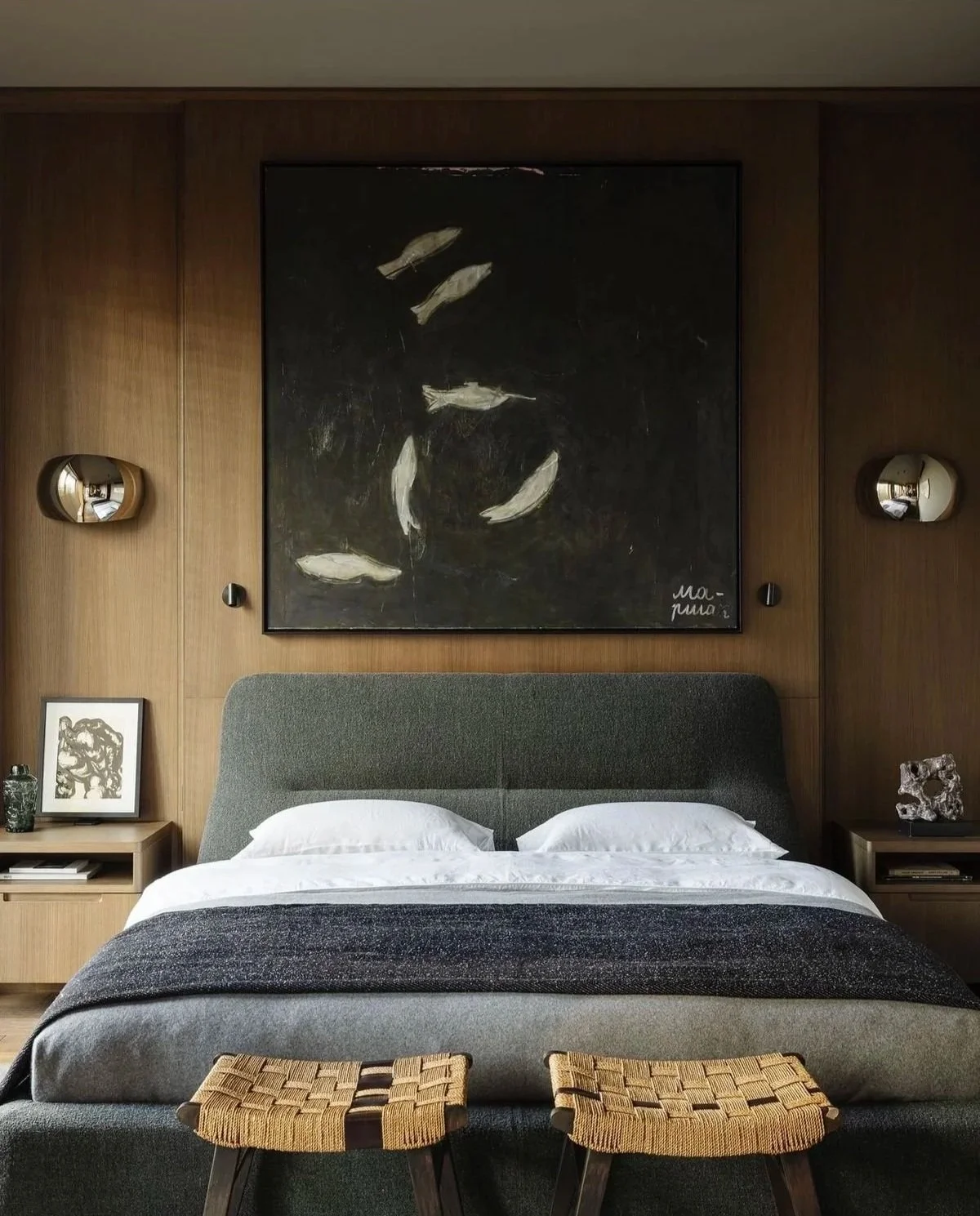
Avoid symmetry for symmetry’s sake. Subtle asymmetry often feels more relaxed and refined.
8. Integrate Storage Seamlessly
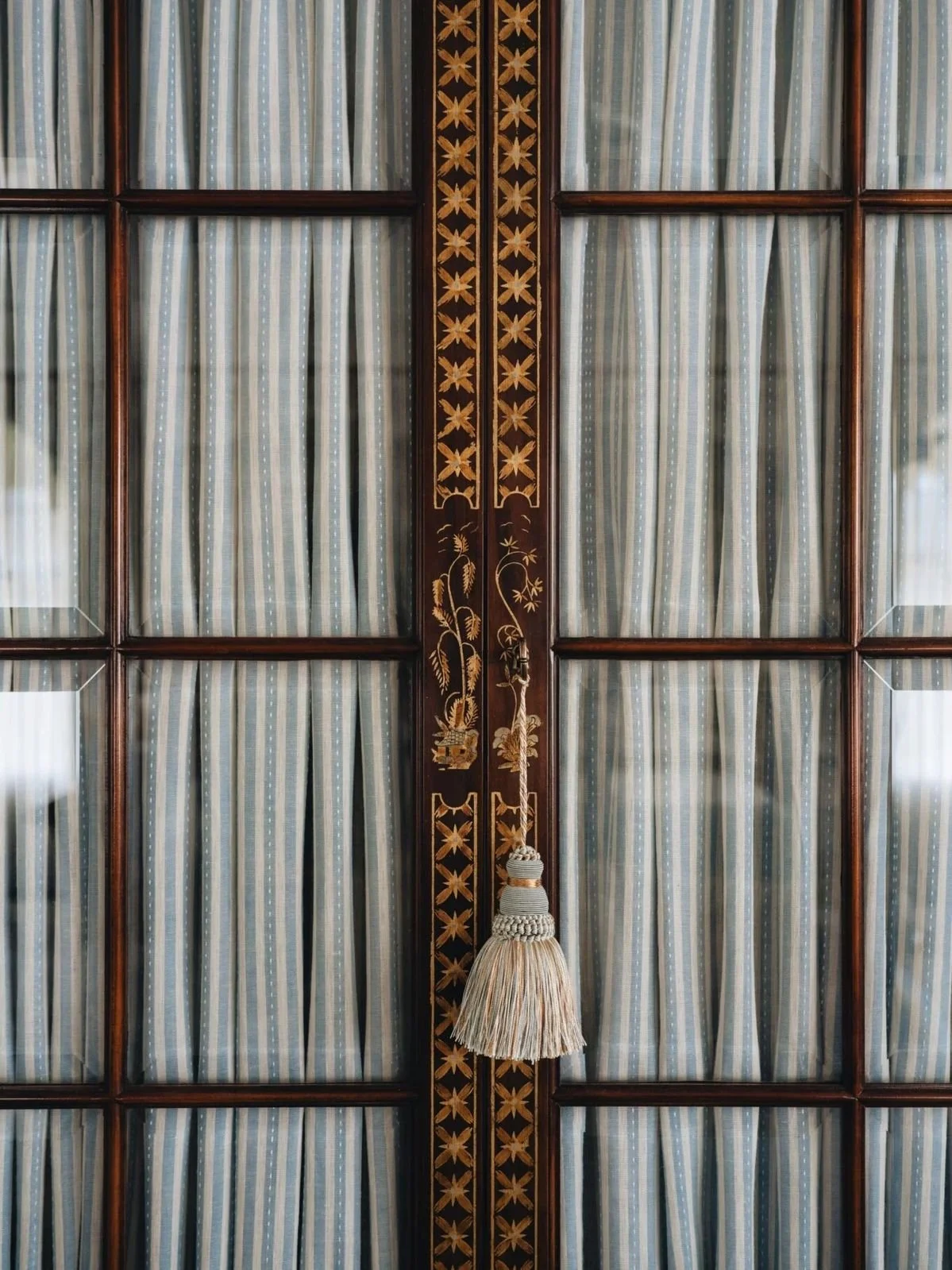
Clutter is the enemy of luxury. Thoughtful storage solutions such as custom wardrobes, concealed drawers, integrated cabinetry help keep the space serene and functional.
If visible storage is required, treat it as furniture. Beautifully crafted dressers or armoires add character while maintaining order.
The best storage solutions are the ones you don’t notice at all.
9. Design for Daily Rituals
A master bedroom should support how you actually live.
Morning light, evening wind-down routines, reading in bed, quiet moments alone, these rituals should guide the design. Blackout drapery layered with sheers, integrated charging solutions, and intuitive lighting controls all contribute to a space that feels effortless and personal.
Luxury is as much about comfort as it is about beauty.
Designing a luxurious master bedroom is an exercise in restraint, intention, and deep understanding of the client’s lifestyle. It’s not about following trends or filling a room, t’s about creating an environment that feels timeless, restorative, and unmistakably yours.
When every element works together, architecture, lighting, materials, and layout, the result is a space that doesn’t just look luxurious. It feels like home, at its most elevated.
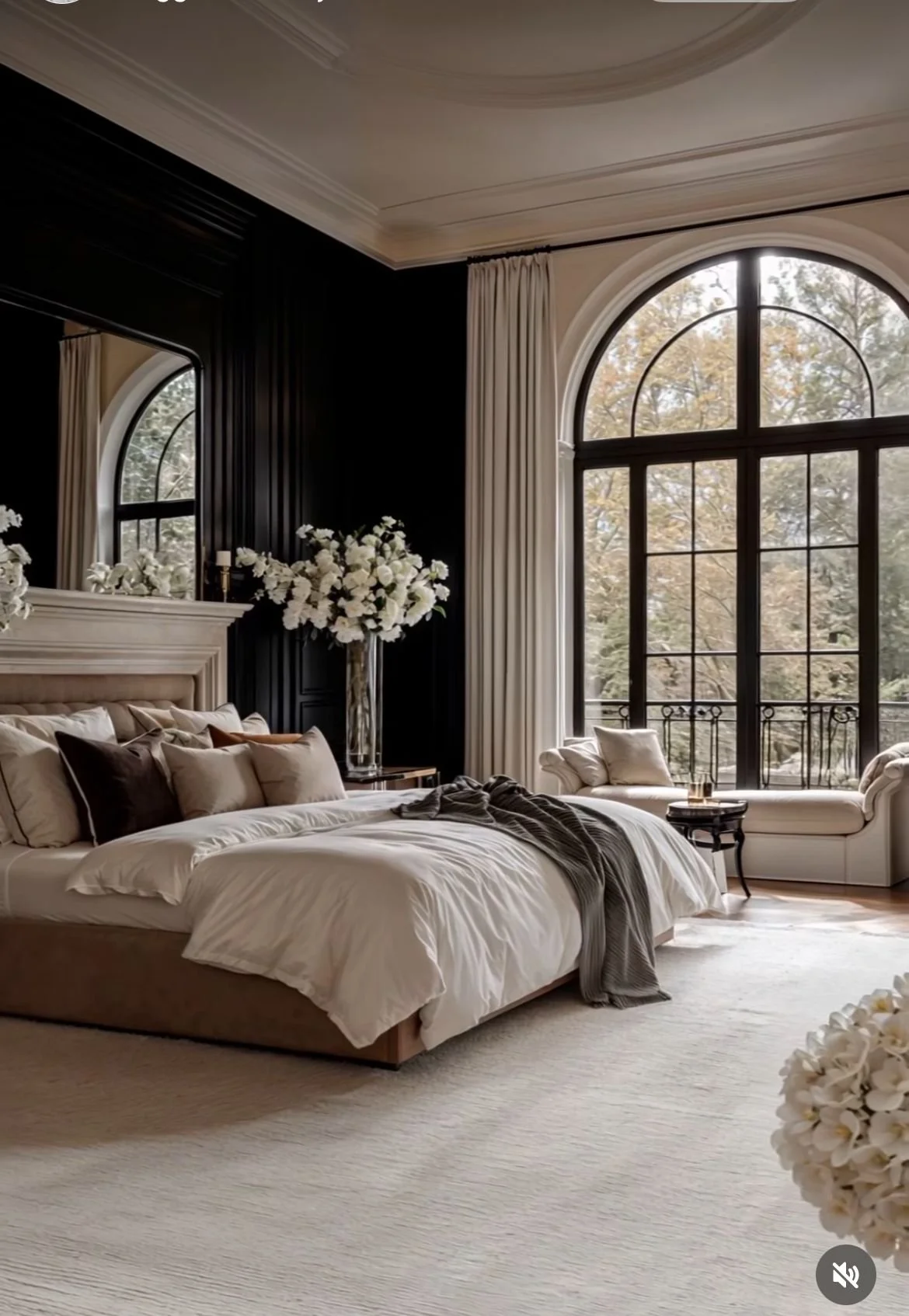
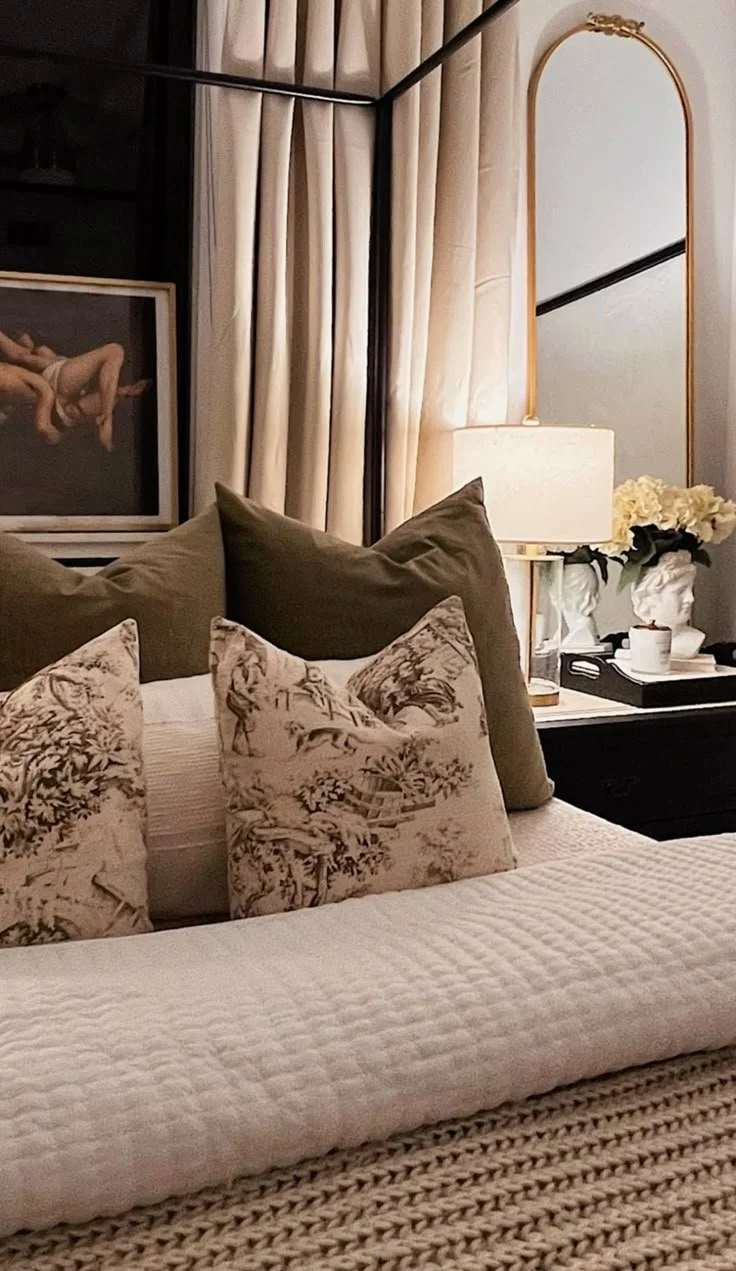
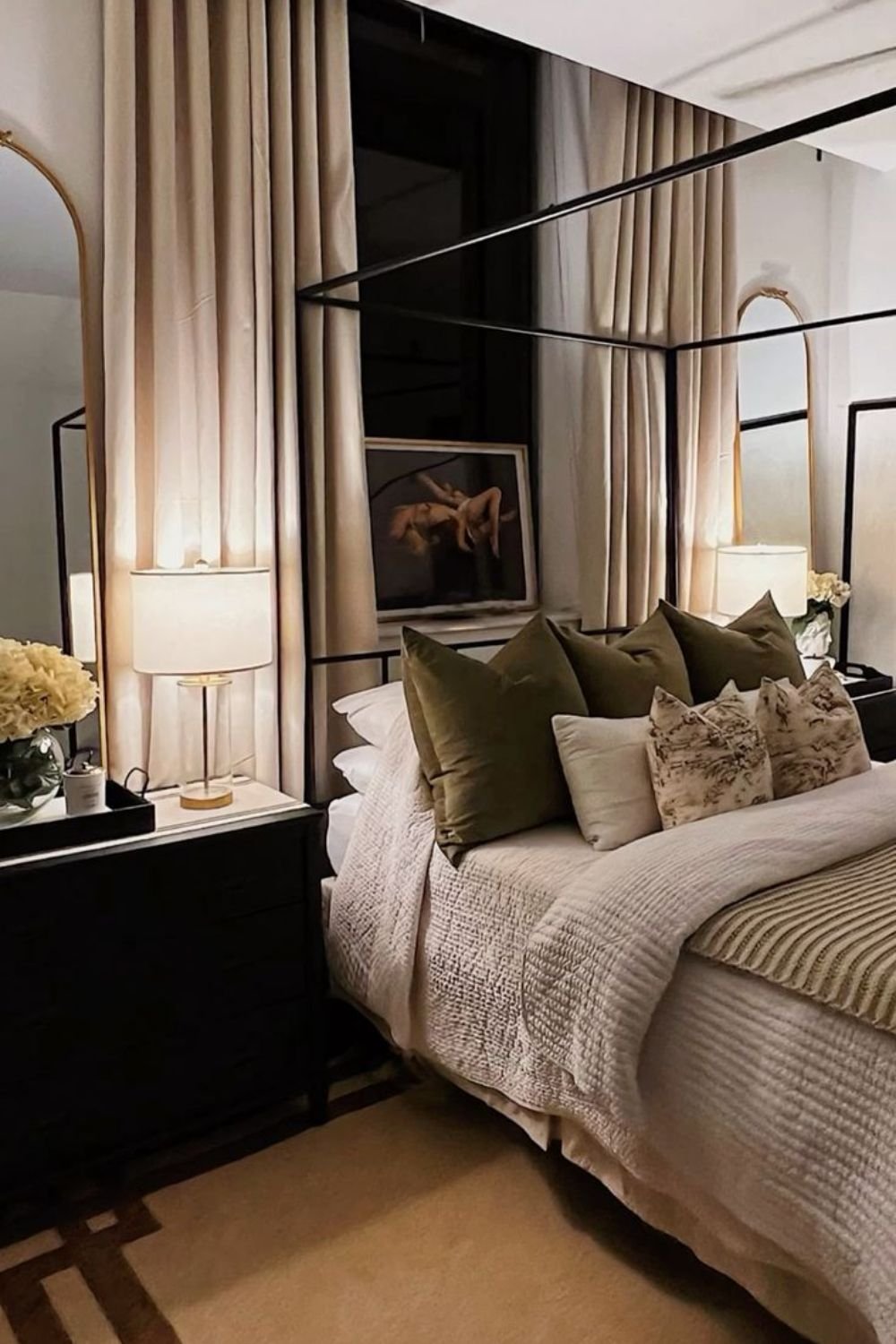
SHOP MORE BEDROOM SELECTIONS TO CREATE YOUR OWN LUXURIOUS RETREAT
For more helpful tips on how to create your home like a luxury interior designer sign up for our Newsletter below! I love sharing tips and tricks I’ve learned and practiced over two decades of working in the luxury interior design sector.


Creative Diretor, Susan Knof