

Understanding Design Psychology - How Interiors Affect Mood
Before considering how a space will look. I always like to consider how you want it to make you feel first!
Maybe an entire home will be cohesive and transmit the same vibe throughout or perhaps you like to have a lot of variety to create different spaces for different moods and activities. Like a dark and moody room for movies or reading vs a bright and open area for gathering and entertaining.
Luxury interior design is more than just aesthetics - it’s about creating an atmosphere that influences emotions, behaviors, and overall well-being.


The psychology of design plays a pivotal role in shaping how spaces make us feel, from relaxation and comfort to inspiration and energy. Understanding these psychological principles allows designers to curate spaces that enhance both mood and functionality.
Design for Joy: The Power of Colour
Our homes should reflect not only who we are, but how we want to feel. Whether through an unexpected splash of colour, playful patterns or expressive accessories, thoughtful design choices can bring energy, optimism and personality into everyday spaces.
Explore my curated Dopamine Design Shop collection, featuring vibrant furnishings, sculptural accents and uplifting details designed to inspire joy and creativity.
The Impact of Color
Color is one of the most powerful elements in interior design psychology. Different hues evoke different emotions:
Blue: Calming and serene, ideal for bedrooms and spa-like retreats.


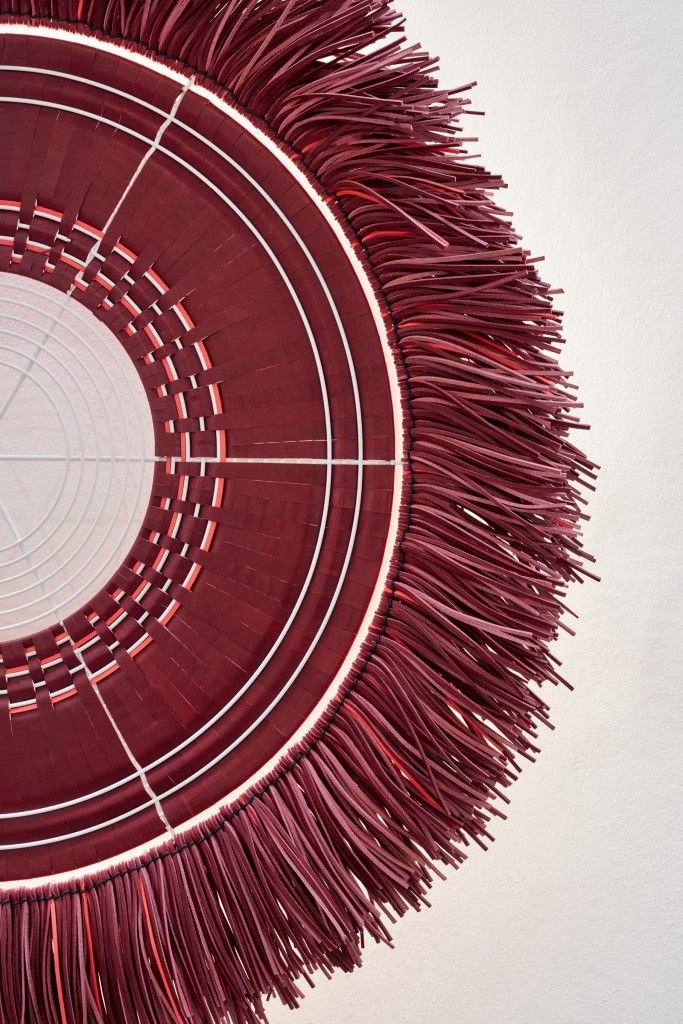
Red: Energizing and stimulating, suitable for dynamic social areas like dining rooms.



Green: Restorative and refreshing, bringing a sense of balance and harmony.


Neutral Tones: Timeless and sophisticated, creating a backdrop for luxury and elegance.


The Power of Moodier Interiors
While lighter palettes can create a sense of openness and calm, deeper tones and rich textures offer a different kind of emotional experience. Charcoal, chocolate brown, warm woods and tactile fabrics can create interiors that feel intimate, grounding and quietly sophisticated.
Explore my curated Masculine Mood Shop the Look collection for furniture, lighting and distinctive accents that embrace a more tailored, layered approach to design.
Lighting and Its Influence
Lighting has a profound effect on mood and ambiance. A well-lit space can make a room feel open and inviting, while dim lighting fosters intimacy and warmth. Incorporating layers of lighting—ambient, task, and accent—allows for versatility and control over the mood of a space. Natural light is particularly essential, as it enhances positivity and well-being.

Texture and Materials
The tactile experience of a space contributes significantly to emotional response. Plush fabrics, such as velvet and silk, exude luxury and comfort, while natural materials like wood and stone bring warmth and authenticity. Mixing textures adds depth and interest, making interiors more dynamic and inviting.


Space Planning and Flow
The layout of a room affects how we interact with and perceive a space. Open layouts foster social interaction, while segmented areas provide privacy and personal retreat zones. Strategic furniture placement ensures balance and harmony, guiding movement naturally and effortlessly through a space.
Create a Space That Nurtures Well-Being
Just as colour can energize and inspire, thoughtful interiors can also provide a sense of calm and restoration. Natural materials, organic textures, soft lighting and soothing palettes work together to create environments that encourage relaxation and balance.
Discover my curated Wellness Design Shop the Look collection, featuring thoughtfully selected furniture, lighting and accessories inspired by nature and a more mindful approach to everyday living.
Incorporating Biophilic Design

Bringing nature indoors has been shown to reduce stress and enhance well-being. Elements such as indoor plants, water features, and natural materials create a sense of tranquility and connection to nature, fostering a more relaxing and refreshing environment.
Personalization and Emotional Connection


A luxurious interior should reflect the personality and lifestyle of its inhabitants. Personalized touches—whether through curated art, heirloom pieces, or bespoke furnishings—enhance emotional connections to a space, making it feel truly unique and special.
Engaging the Senses: The Power of Scent
Sometimes we can’t do a whole interior overhaul. The good news is small changes can often make a big difference. Scent is another powerful yet often overlooked element in interior design that significantly influences mood and perception. The right fragrance can create an inviting and memorable ambiance:
Lavender and Chamomile: Promote relaxation and stress relief, ideal for bedrooms and spa areas.
Citrus Scents: Energizing and uplifting, perfect for kitchens and workspaces.
Woody and Earthy Aromas: Bring warmth and sophistication, well-suited for living rooms and libraries.
Vanilla and Spiced Notes: Evoke comfort and nostalgia, enhancing cozy environments.
Incorporating scented candles, essential oil diffusers, or fresh flowers can subtly enhance the sensory experience, making a space feel truly immersive.
We love a good home diffuser to give a nice scent to your spaces in a streamlined design. We love this limited edition set which features a smart fragrance diffuser in the Pantone Color of the Year 2025 as well as two exclusive fragrances—Mocha Moments and Mocha Suede—inspired by the sophisticated hue.
We gathered a grouping of our favorite home scents just for you!


