

Animal Prints Are Back: 6 Timeless Ways to Use This Iconic Trend in Interiors
Take a walk on the Wild Side!
Animal Attraction Sustainable and Cruelty-Free ways to use animal prints and patterns at home.
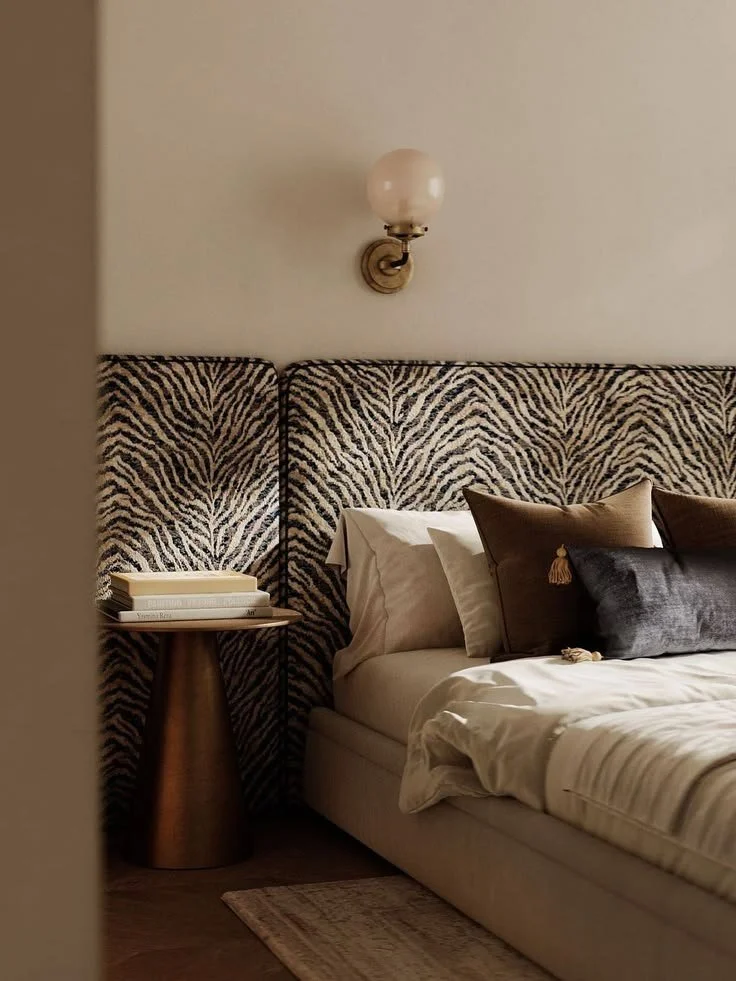
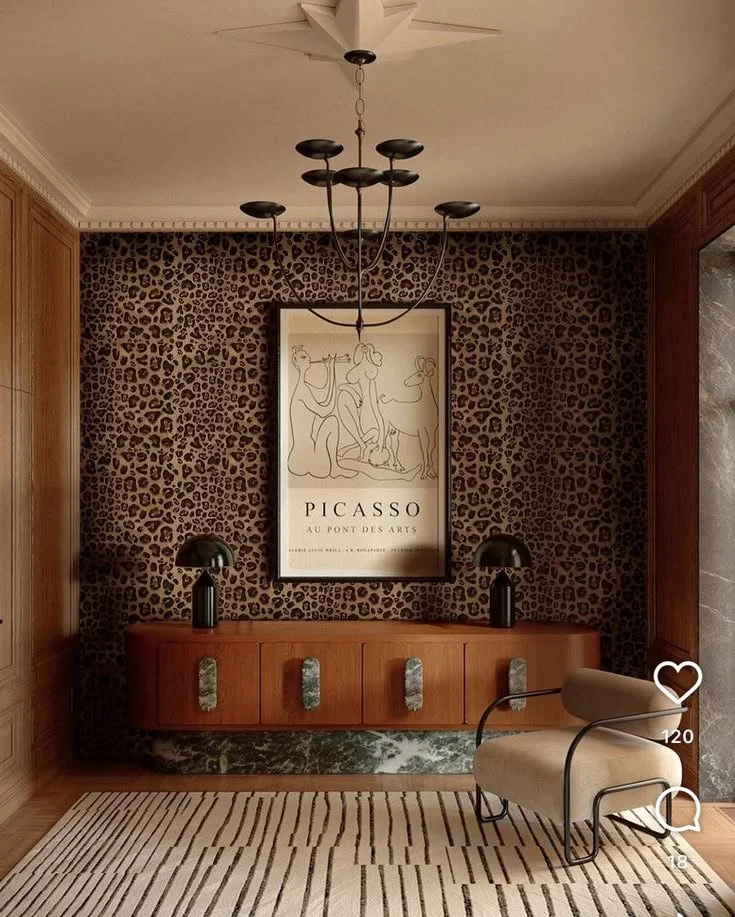
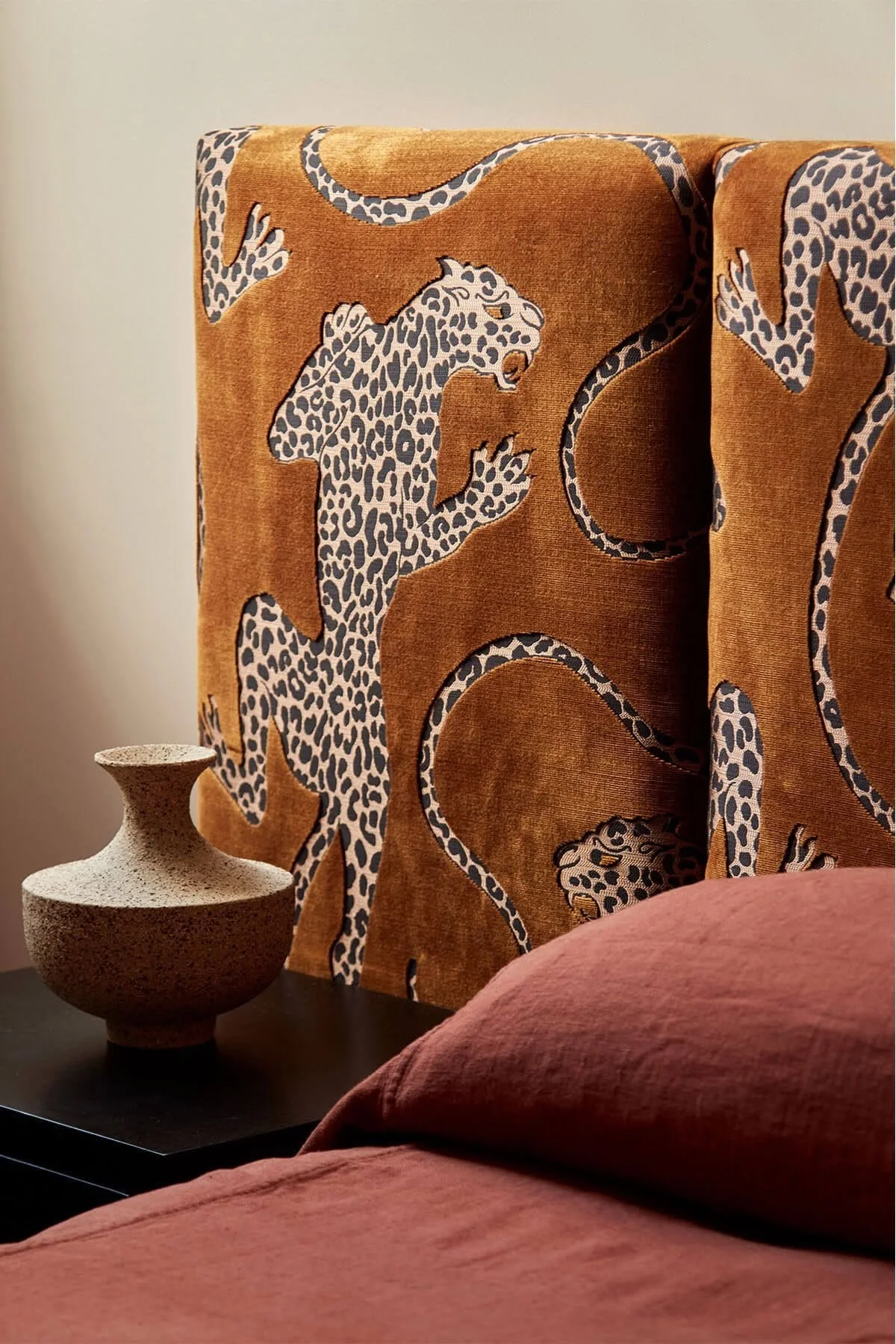
Animal prints have always occupied a curious place in interiors, daring and classic, decorative yet deeply rooted in nature. Their return feels less like a trend revival and more like a quiet reaffirmation.
“There is something timeless about animal prints — a quiet balance of wildness and restraint that interiors return to again and again.”
Today’s interpretation is subtler, more considered. Think texture over novelty, elegance over excess. Think animals as the muse not the material. In the most refined homes, animal prints don’t shout, they whisper.
1. Let One Piece Do the Talking
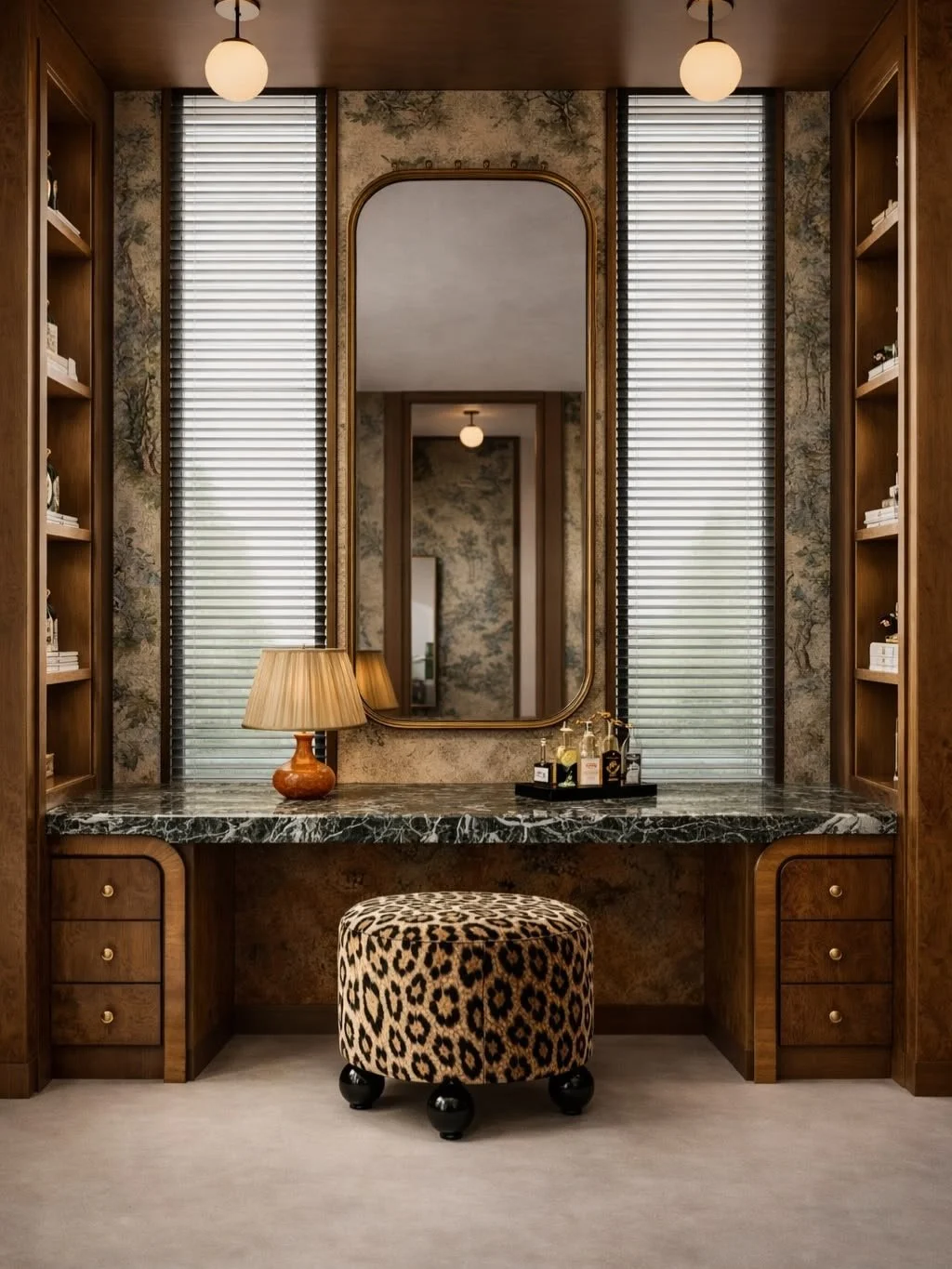
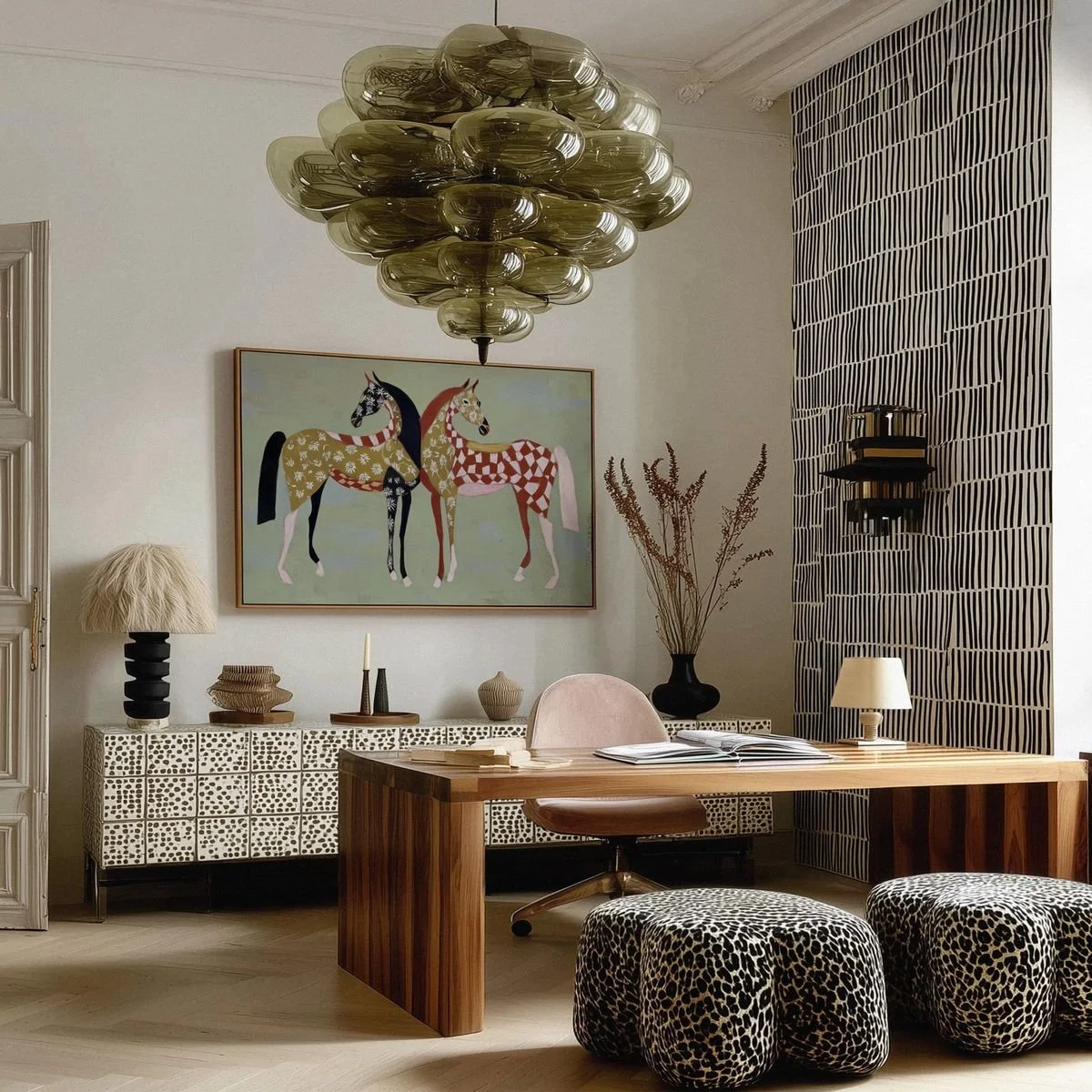
In an otherwise restrained space, a single animal-print element can carry the entire narrative. A leopard-upholstered armchair, a zebra-clad bench, or a sculptural ottoman becomes both punctuation and personality.
The key is placement. When given space to breathe, animal prints read as confident and intentional, never decorative filler.
2. Ground the Room with an Animal-Print Rug
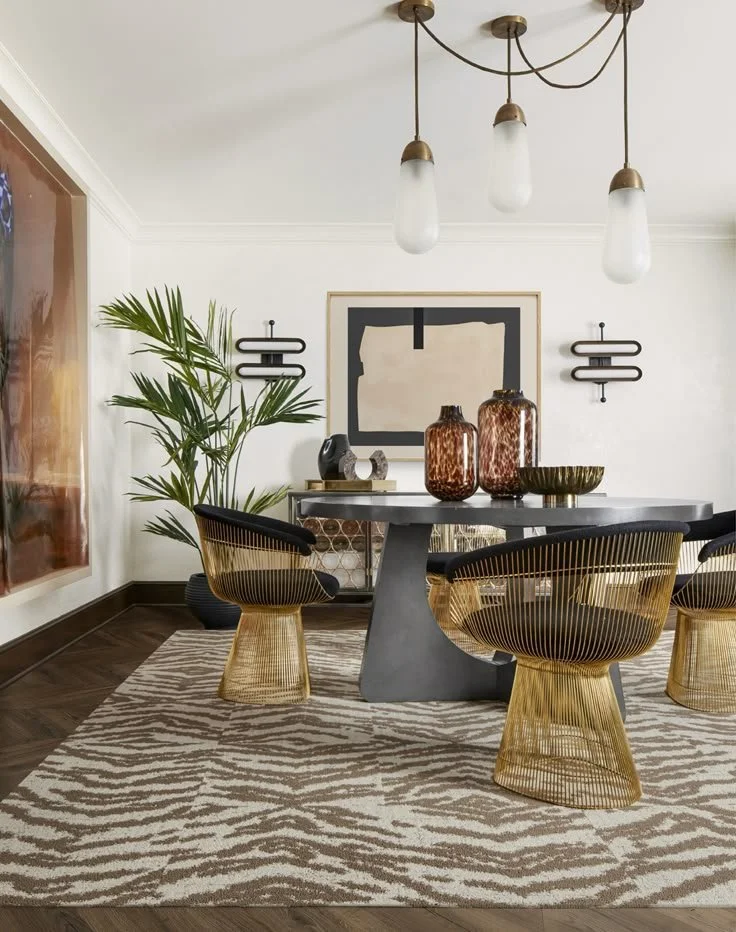
An animal-print rug has an almost architectural quality. It anchors the room, softens hard surfaces, and introduces movement without disrupting a neutral palette.
In editorial interiors, these rugs often sit quietly beneath tailored furniture, their presence felt rather than announced, a subtle nod to glamour with enduring appeal.

3. Use Texture as a Language, Not a Pattern
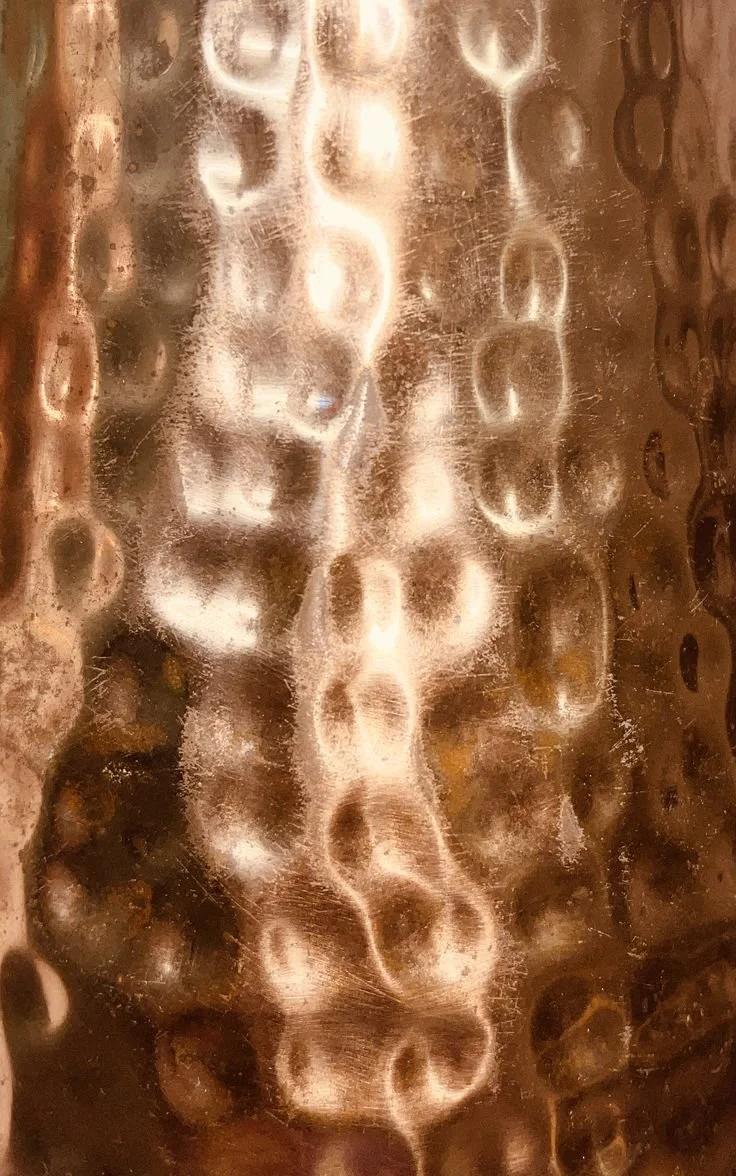
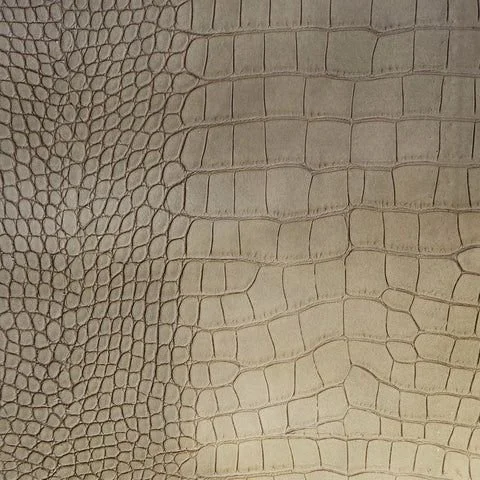
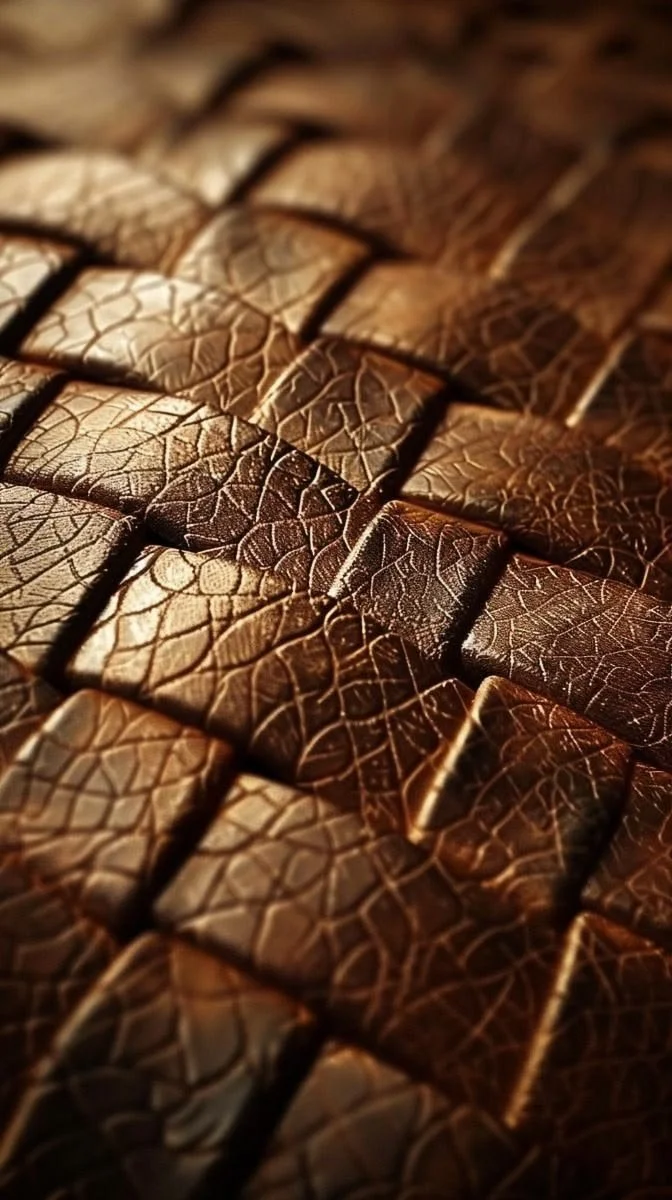
The most compelling animal prints today are often the least obvious. Embossed leathers, tone-on-tone wallcoverings, or suede finishes inspired by hide and skin introduce depth without overt pattern.
This approach feels particularly at home in powder rooms, studies, or dressing areas — spaces that invite a more intimate, tactile experience.
“In the most refined interiors, animal prints are felt through texture rather than seen through pattern.”
4. Treat Animal Prints as Art
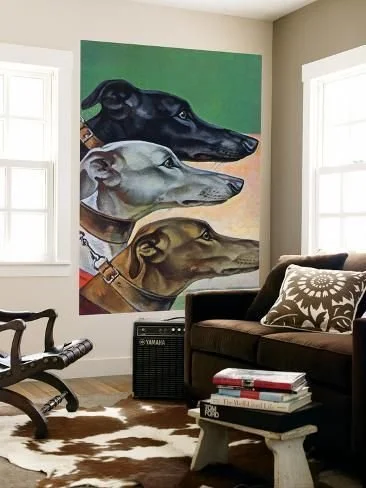
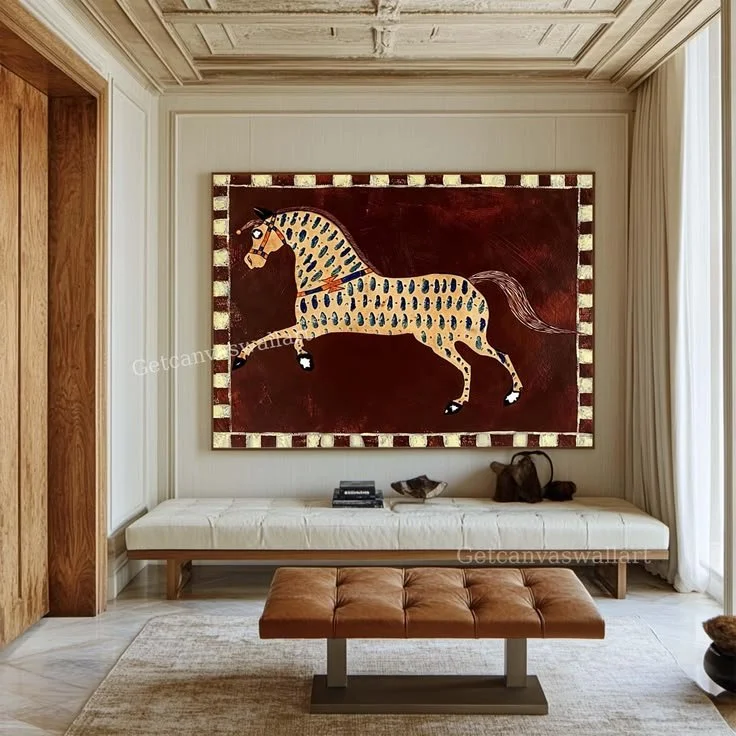
Framed textiles, abstract interpretations, or photographic references to animal pattern elevate the motif into the realm of art. This editorial approach feels curated, layered, and personal.
Rather than repeating the print throughout a room, one thoughtfully chosen piece can set the tone for the entire space.
5. Soften Bedrooms with Subtle Animal Notes
In the bedroom, animal prints are at their most seductive, but restraint remains essential. A bed runner, a pair of cushions, or an upholstered headboard introduces warmth and sensuality without compromising calm.
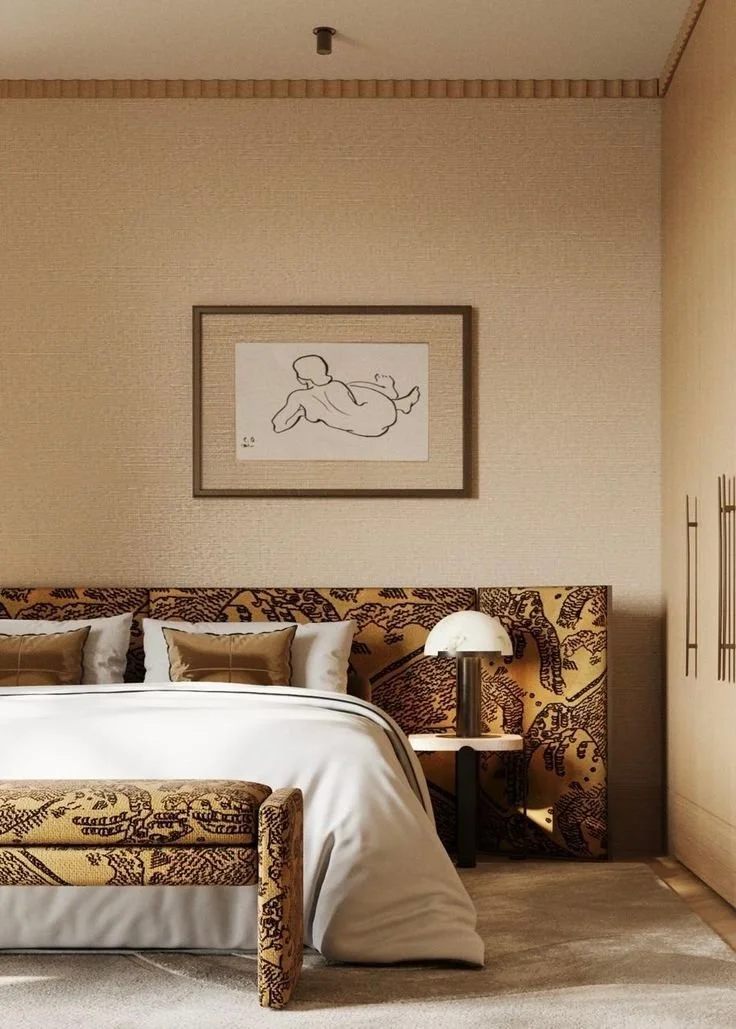
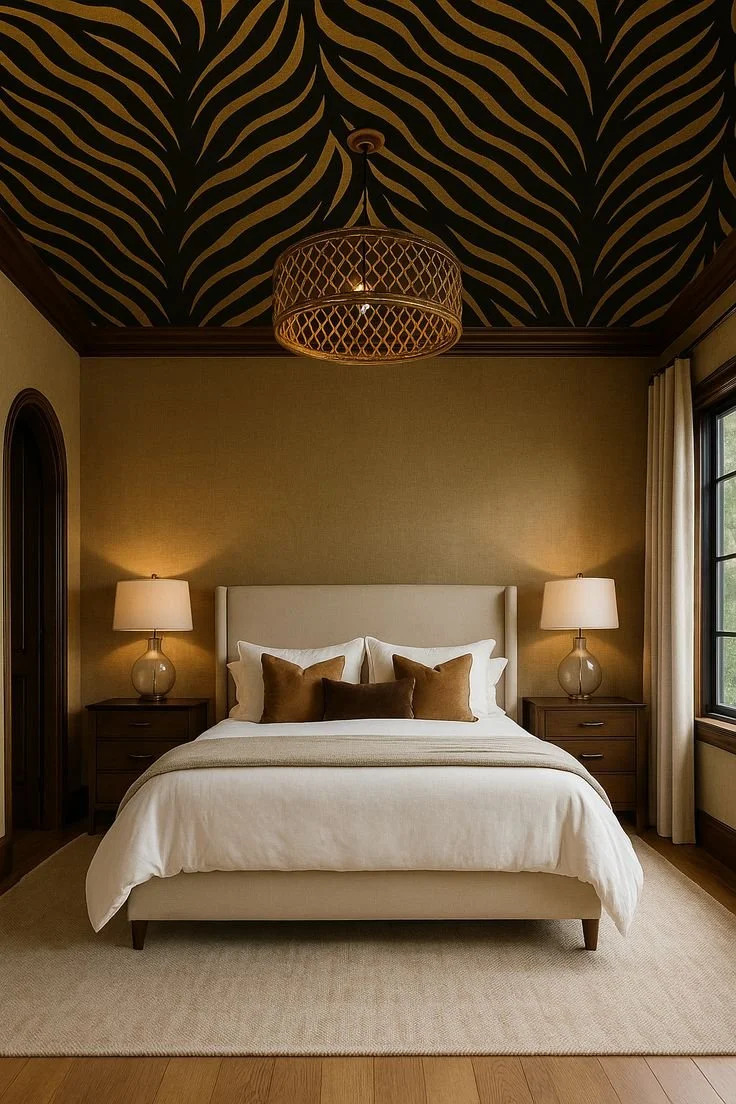
Paired with crisp linens and muted hues, the result feels quietly luxurious, never theatrical.
6. Balance with Natural, Honest Materials
What keeps animal prints timeless is their inherent connection to nature. When layered with wood, stone, linen, leather, and aged metals, the look feels grounded and enduring.
This balance prevents the motif from tipping into trend territory, allowing it to live comfortably within both contemporary and classic interiors.
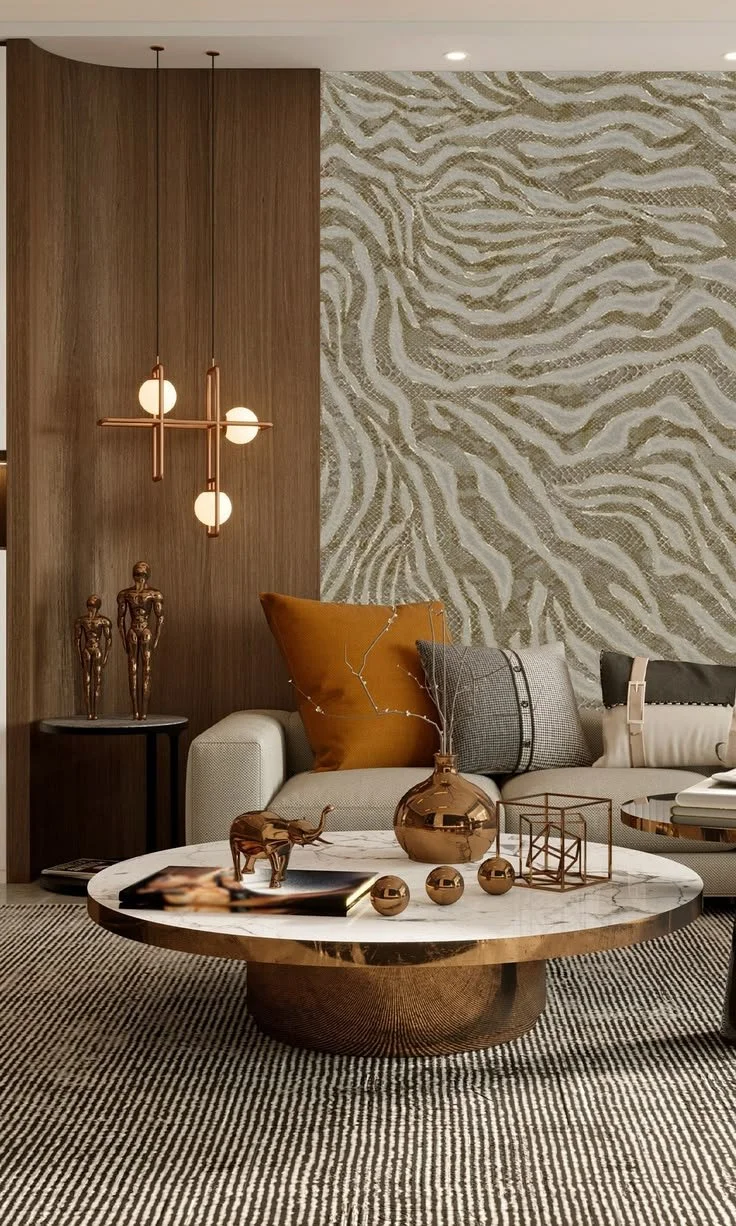
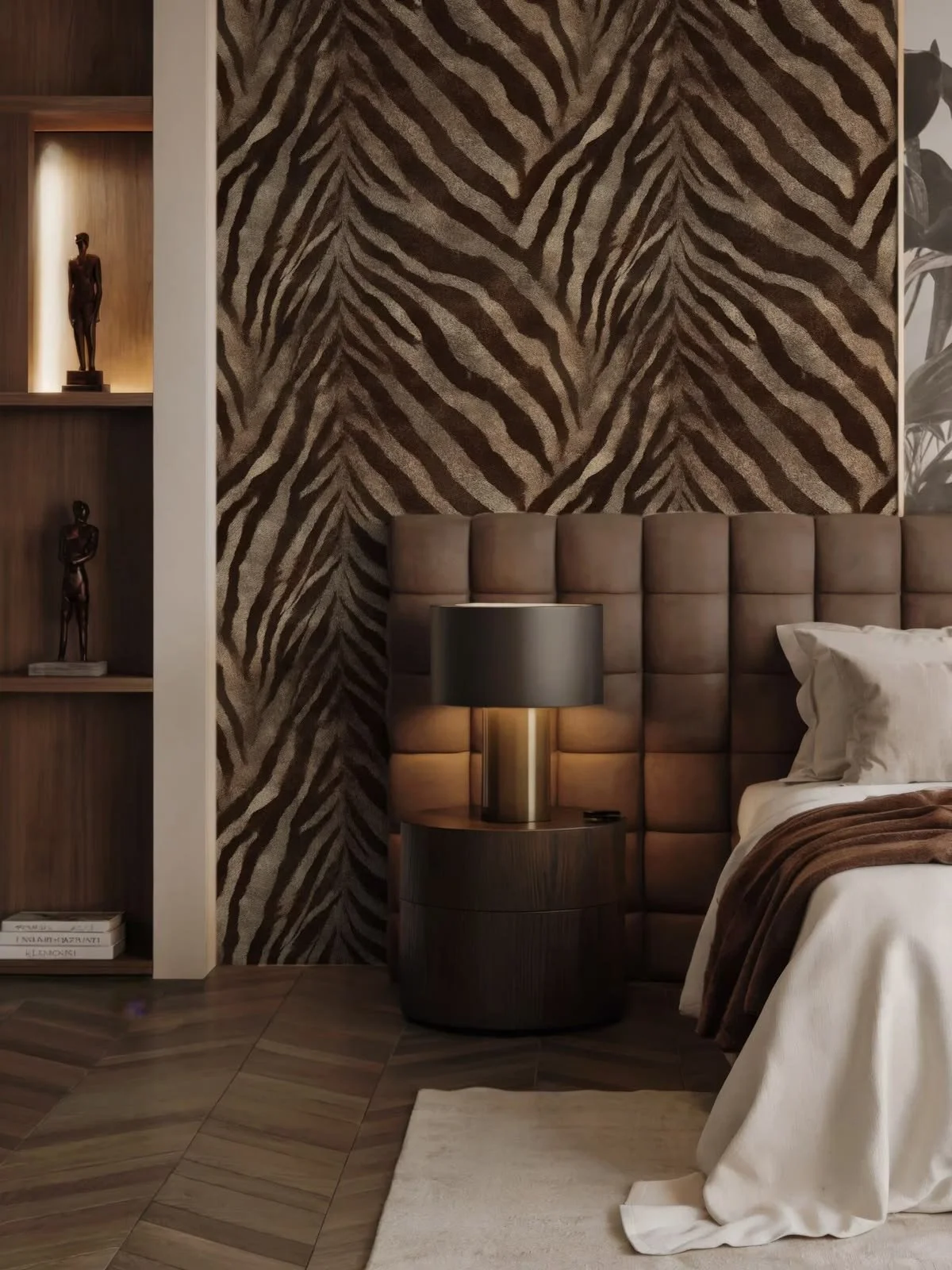
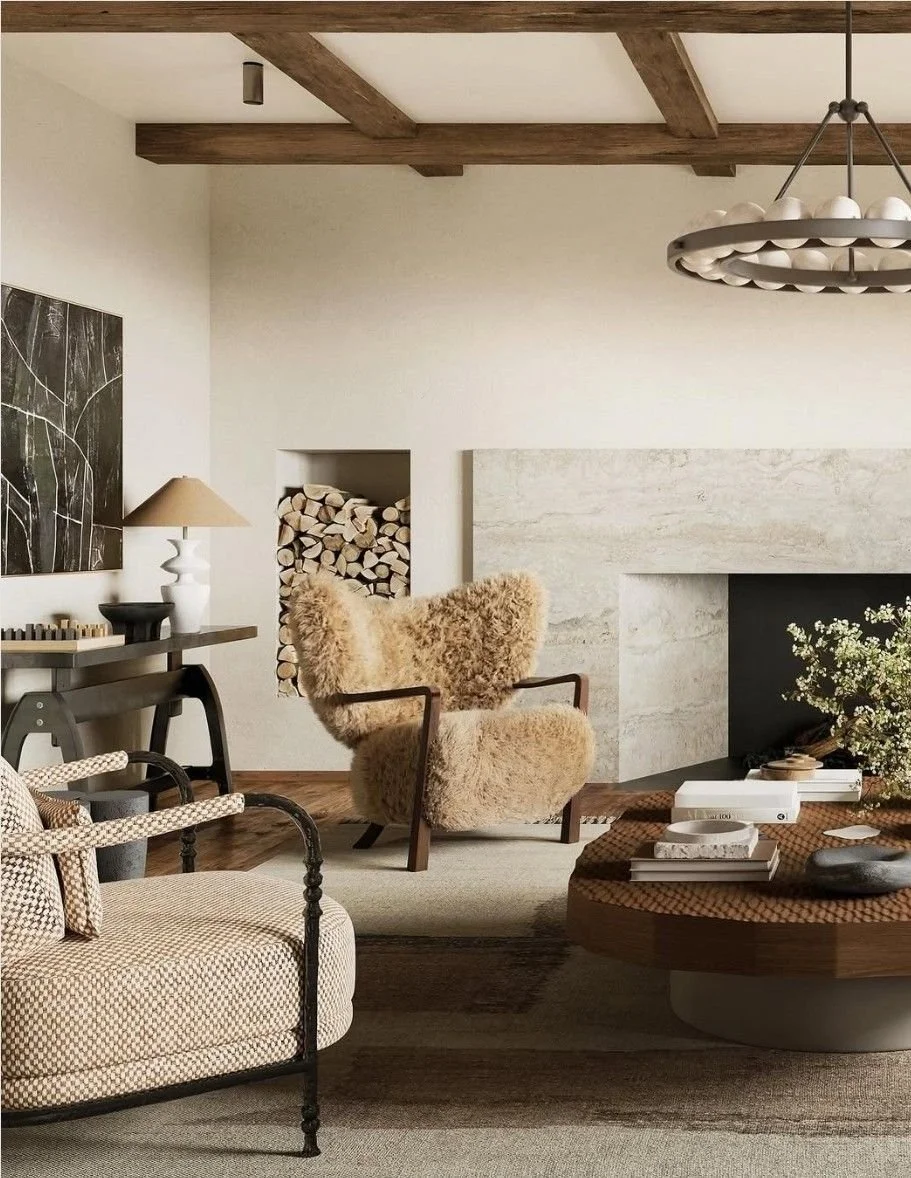
Animal prints don’t follow trends, they outlast them. Their power lies in contrast: wild yet refined, bold yet controlled. In the most compelling interiors, they are used sparingly, thoughtfully, and with confidence.
Because true luxury, as always, is about knowing when to stop.
ADD SOME ANIMAL LOVE INTO YOUR HOME