
Human-Centered Design: How Interiors Can Improve Well-Being and Productivity
As people become better educated on the habits and lifestyle choices that positively impact physical and mental health, demand for wellness-related products and services continues to skyrocket.
Superfoods at the market. Fitness apps on our smartphones. Mindful moments in the morning.
Add wellness architecture to the list.
People want their built environment to improve their overall wellbeing. As the movement has progressed, human-centered design (HCD) has emerged as a key component of wellness architecture.

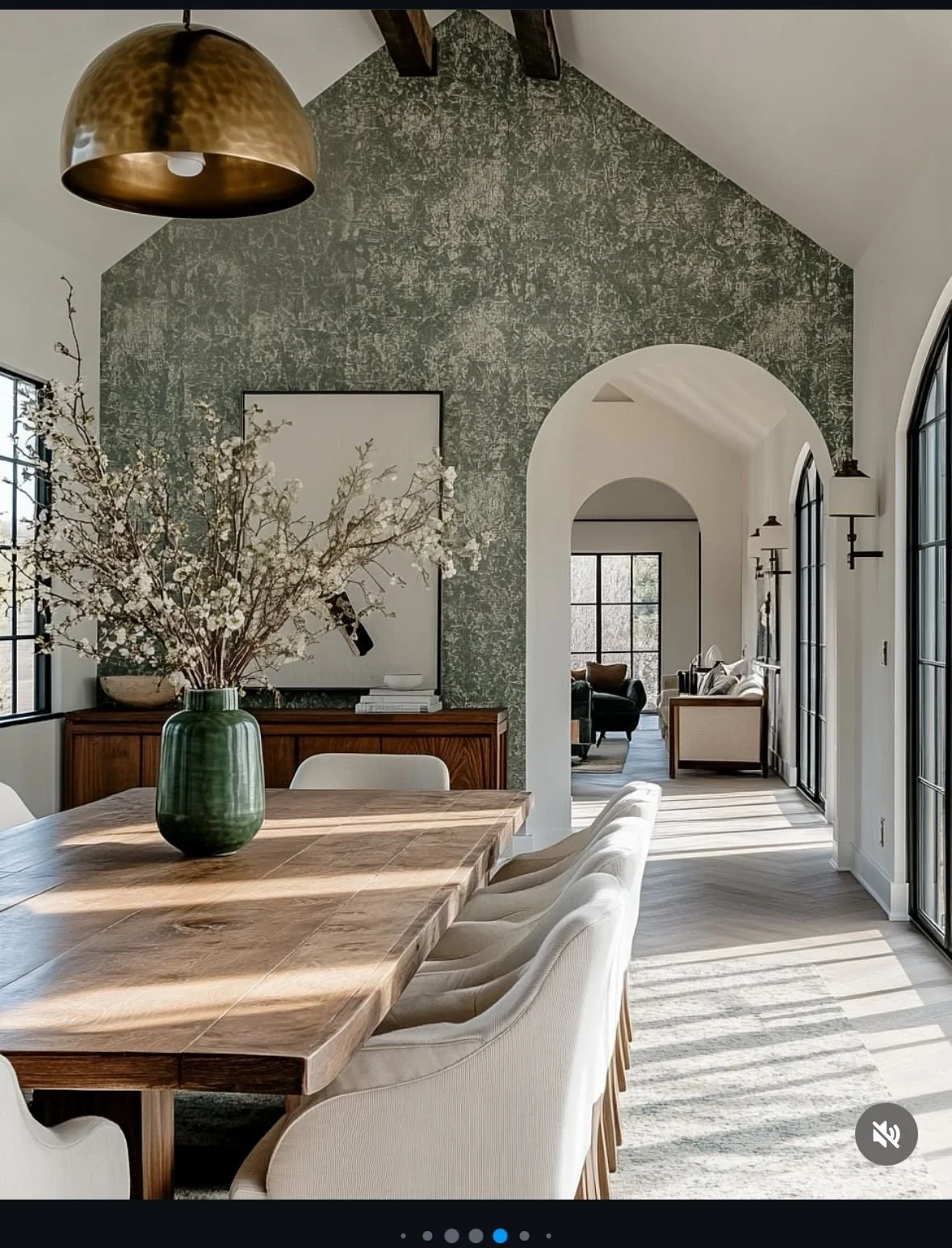
What Is Human-Centered Design?
In architecture, human-centered design is a problem-solving approach. From curb appeal to commercial stair design, flooring to furniture selection, it prioritizes the needs, emotions, behaviors, and well-being of occupants throughout the design process. Some guiding philosophy includes:
People over plans - What are the daily rituals of the people who will inhabit the space? What are their emotional needs?
Design for comfort - Ergonomics. Acoustics. Thermal controls. Spaces should promote physical and psychological health at every turn.
Accessibility and inclusion - Architecture must work for diverse ages, ability levels, and backgrounds. It should reduce connectivity barriers.
Meaningful experiences - HCD transcends function. It inspires how people feel. It fosters a sense of belonging.
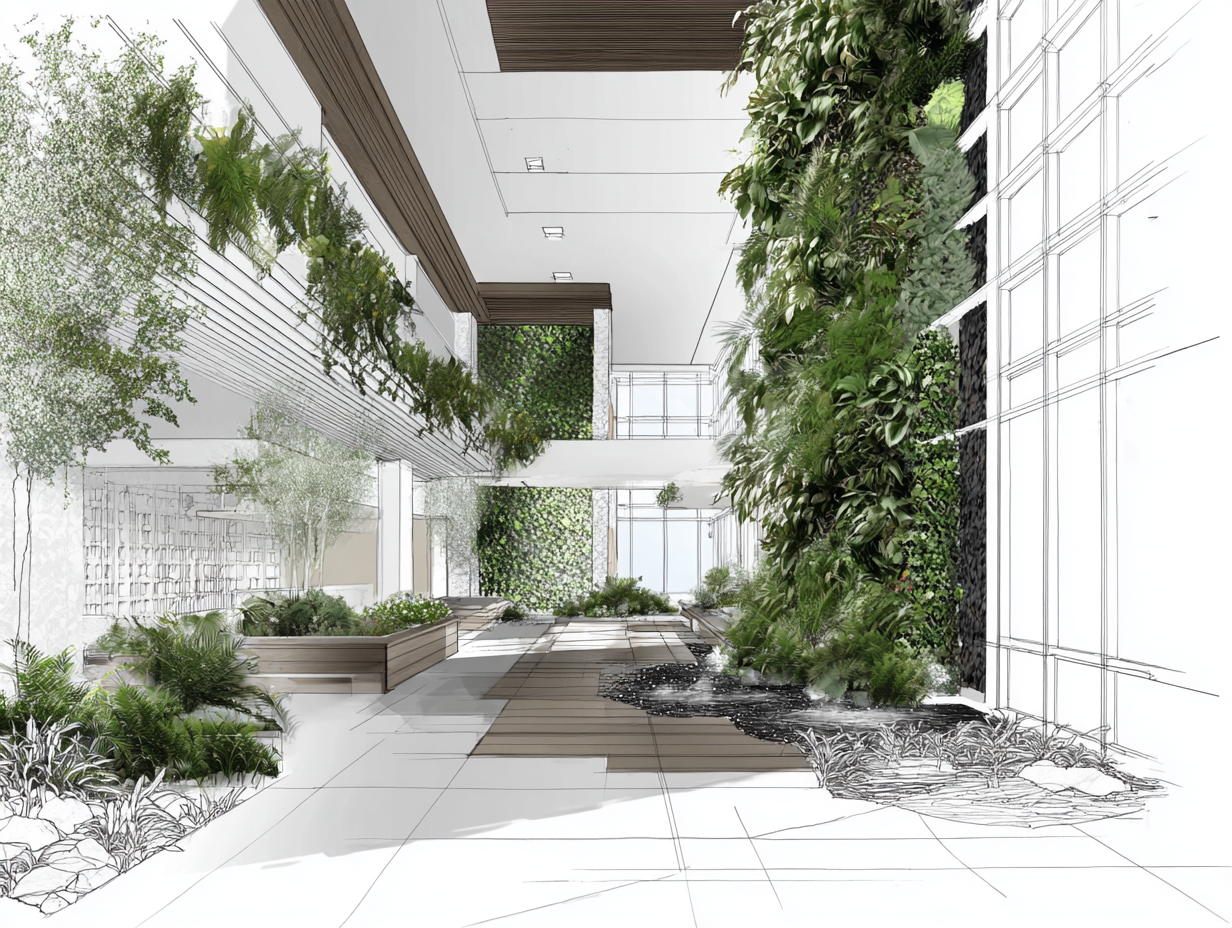
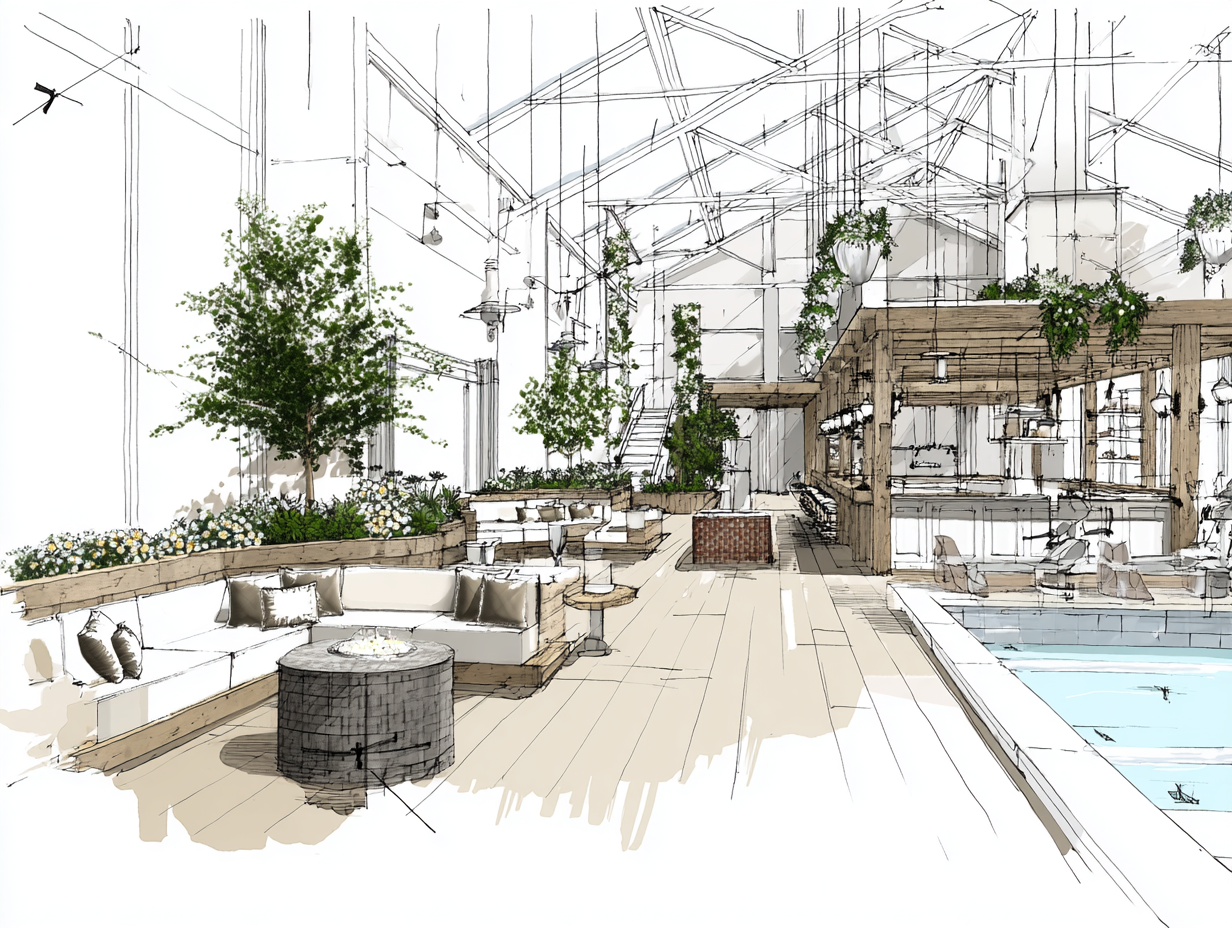
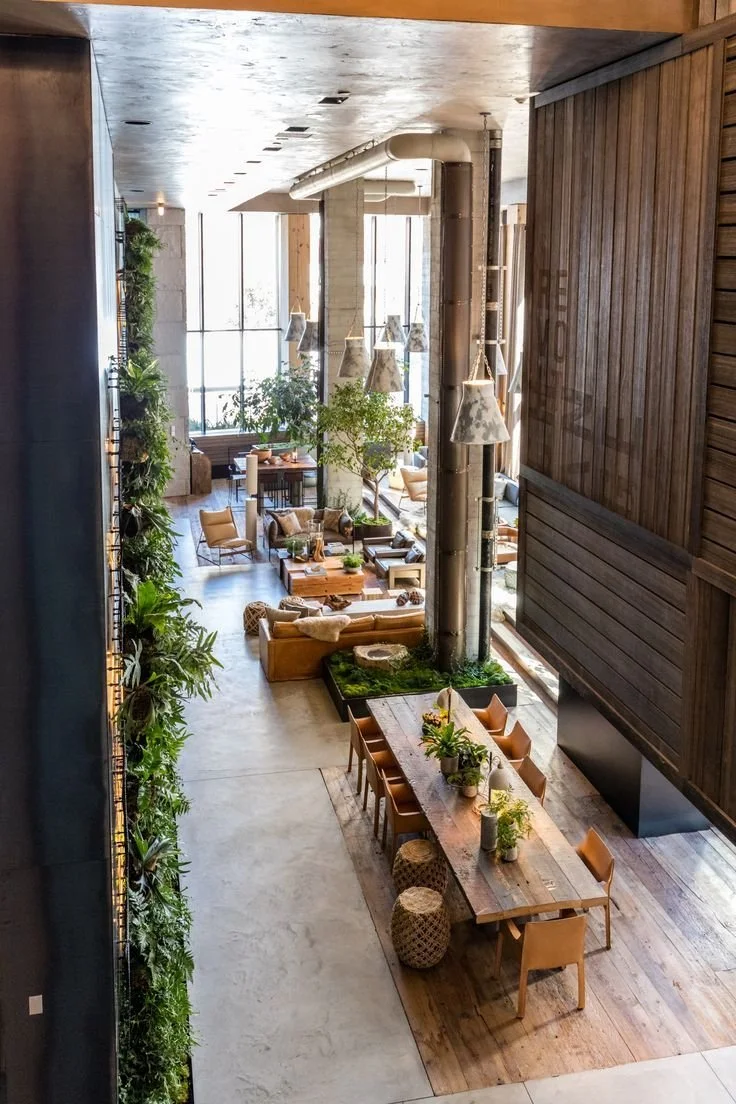
Commercial Lobby Space by KNOF design
With these philosophical pillars in place, interior designers can then make strategic choices on which materials to choose to bring their goals to fruition.
Key Tools and Techniques of Human-Centered Design
HCD is “miles from ordinary.” Traditional techniques and basic materials will not fulfill the approach.
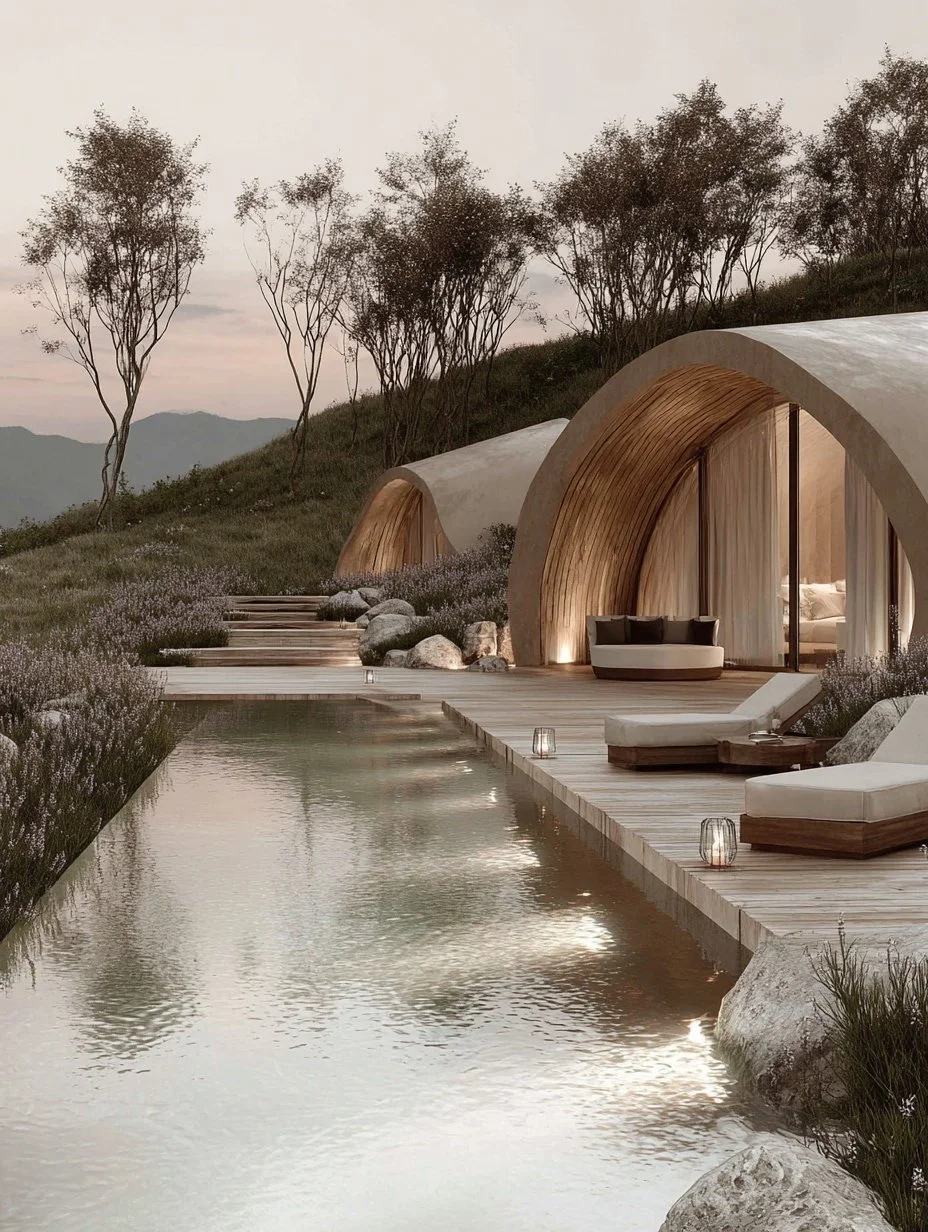
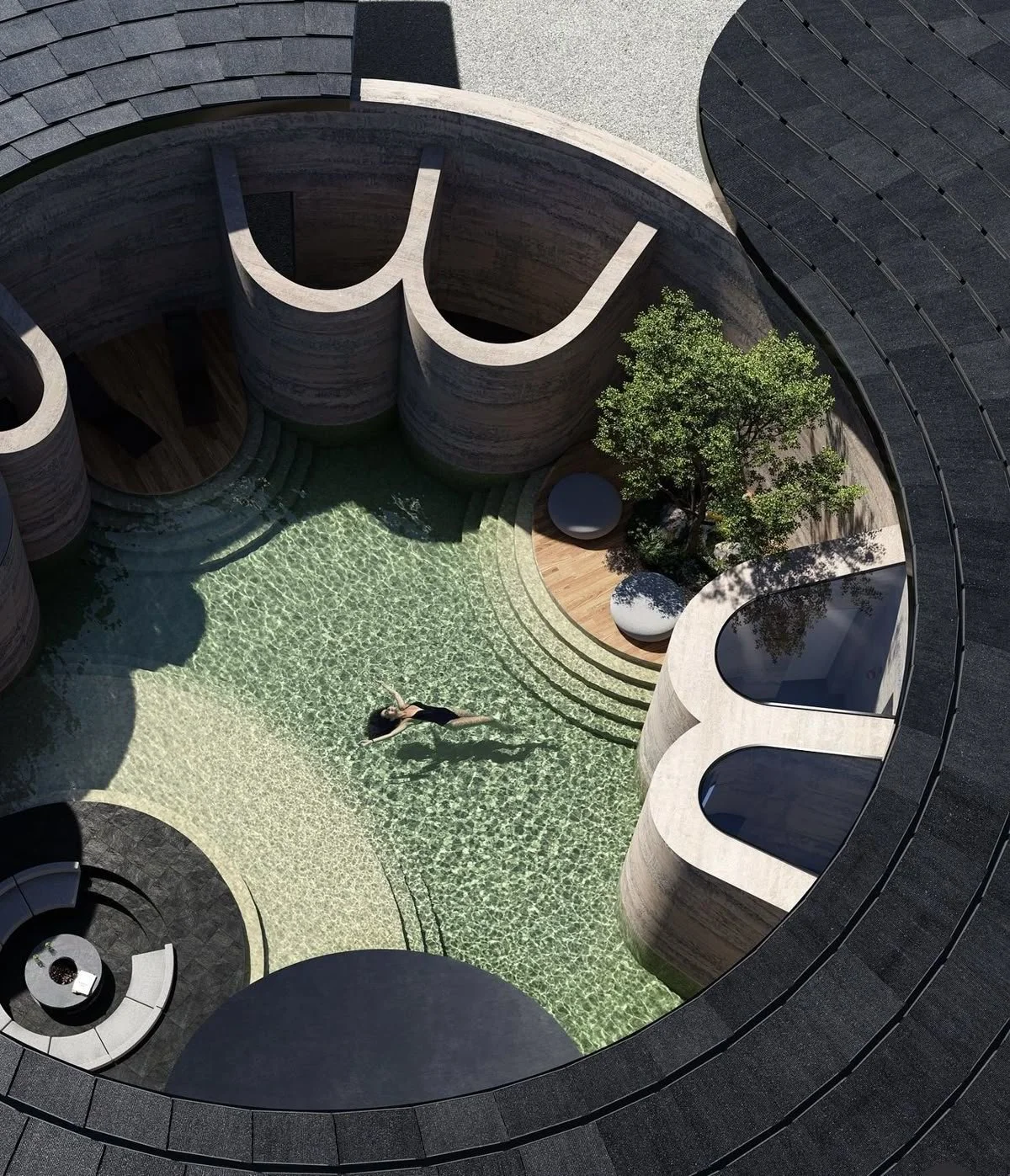
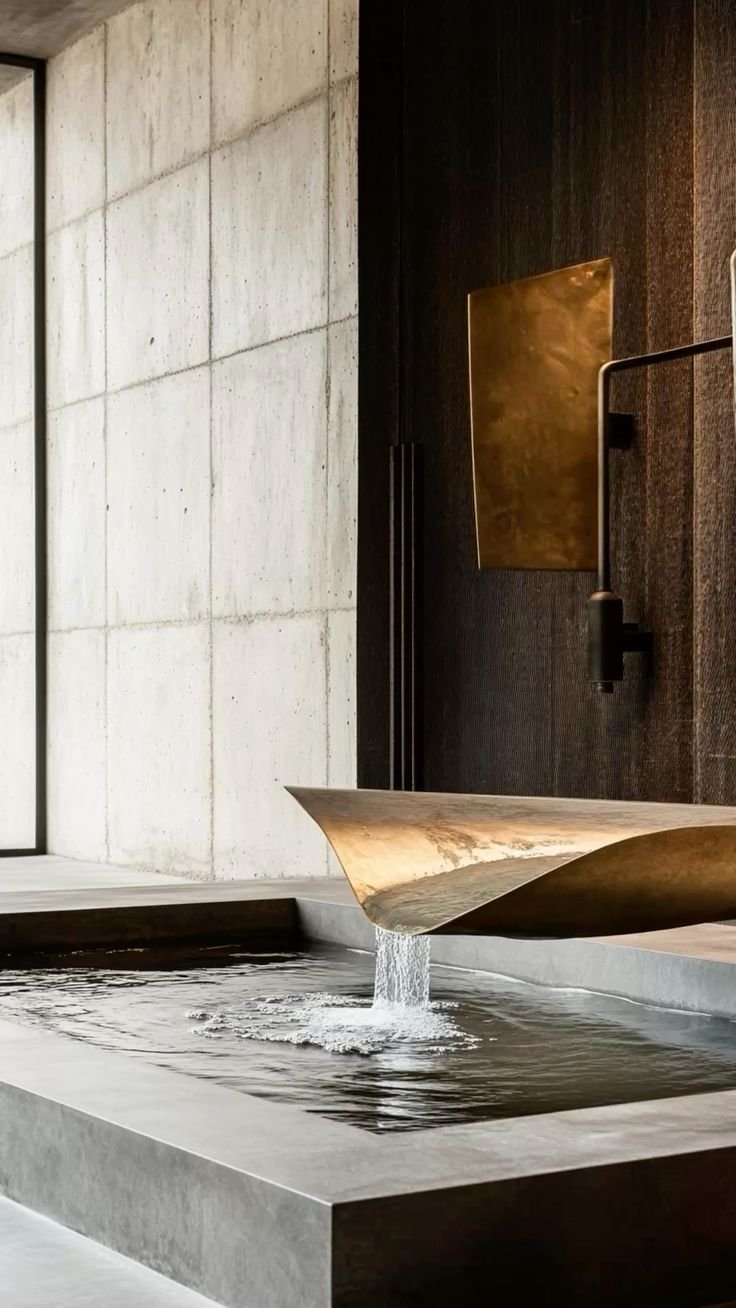
Biophilia is arguably the top integration used in HCD. Water. Scenic views. Living walls adorning corridors. These accents tap into humans’ affinity for nature. They are shown to reduce stress and correlate positively with human performance.
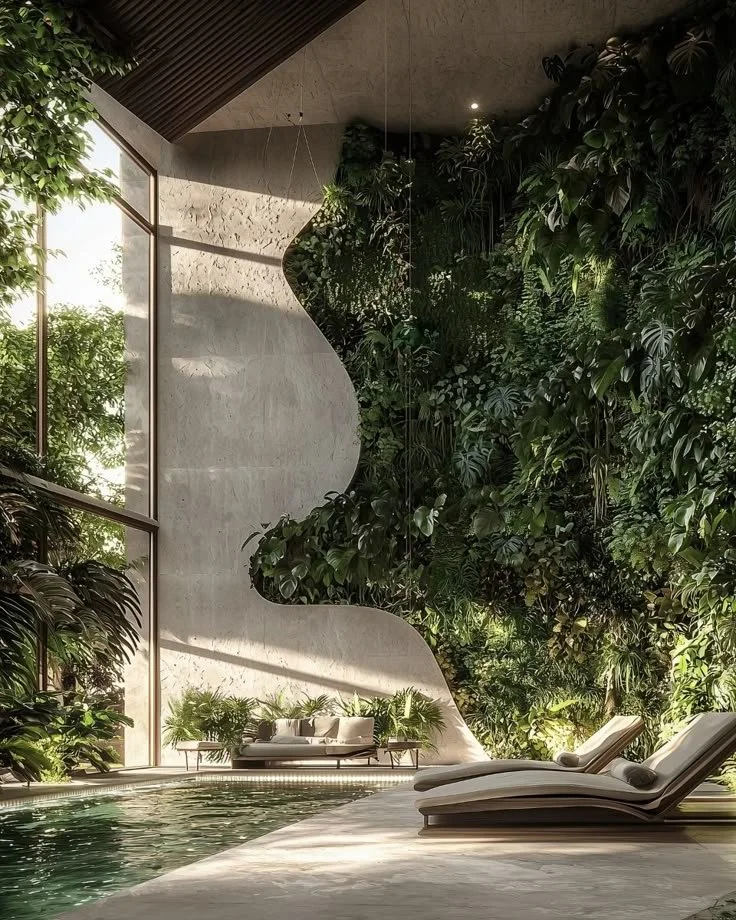
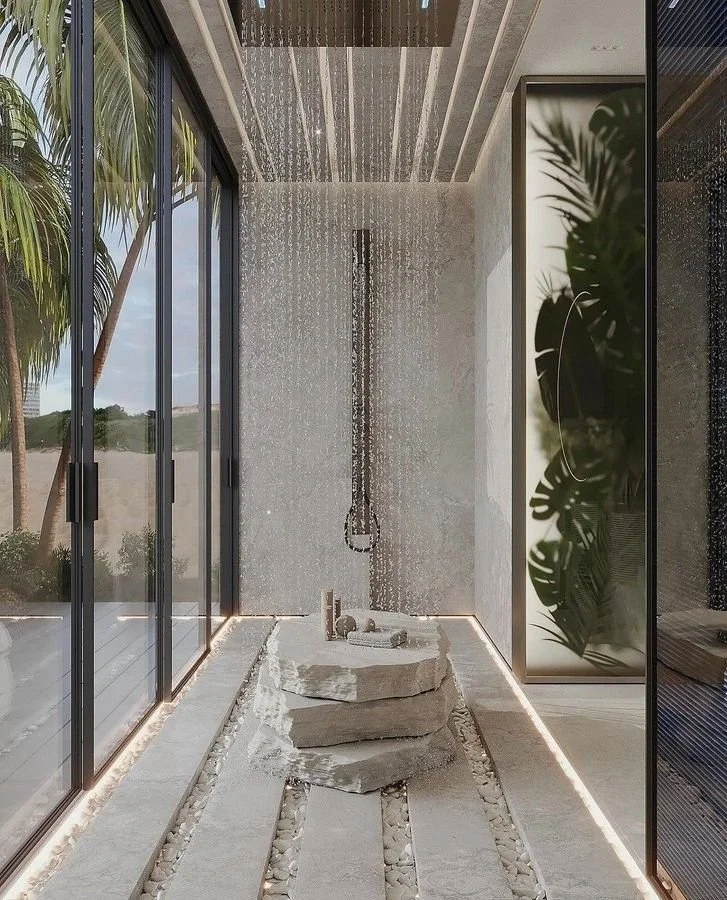
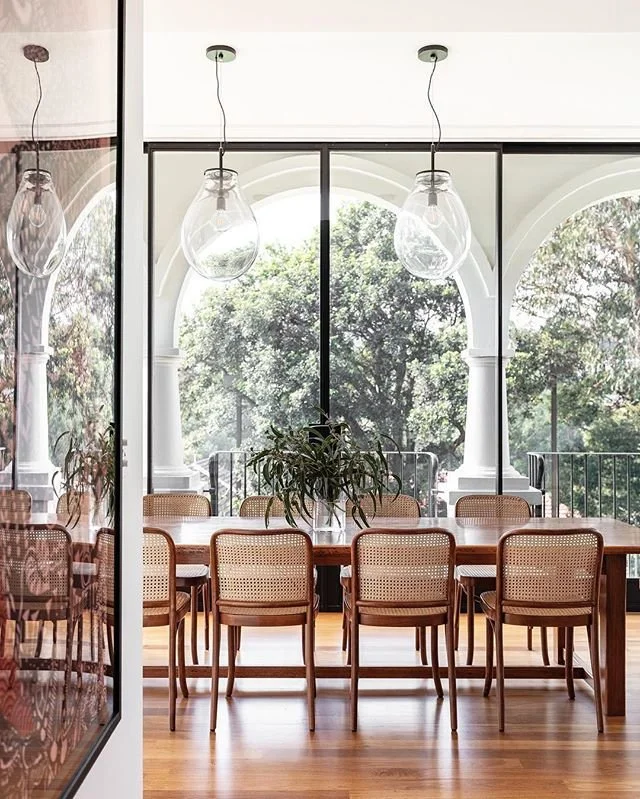
Large windows and open interiors for daylighting are also central to HCD. It supports mood and productivity. It may reduce physical symptoms (eye strain, headaches) associated with too much artificial light exposure.
“Healthy” materials can limit the risk of adverse health episodes for occupants. Low VOC paints. Installing the best non toxic insulation products. Transparently-sourced materials. It all adds up to better indoor air quality.
Trouble navigating an interior causes anxiety in occupants. Thus, a major HCD focus on spatial flow. Intuitive circulation and sight lines makes movement feel effortless and psychologically comfortable.
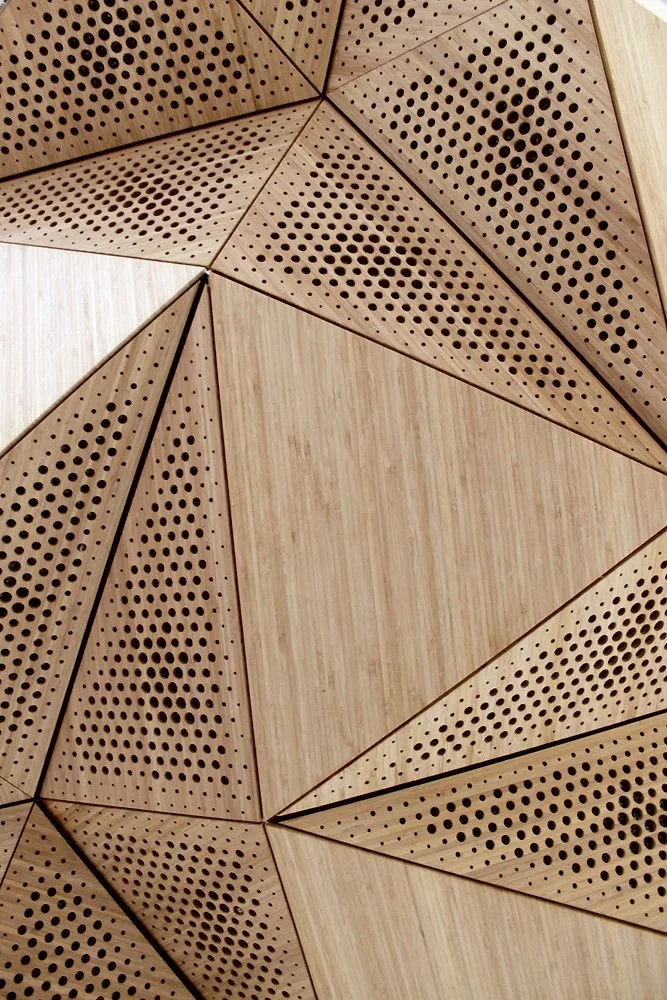
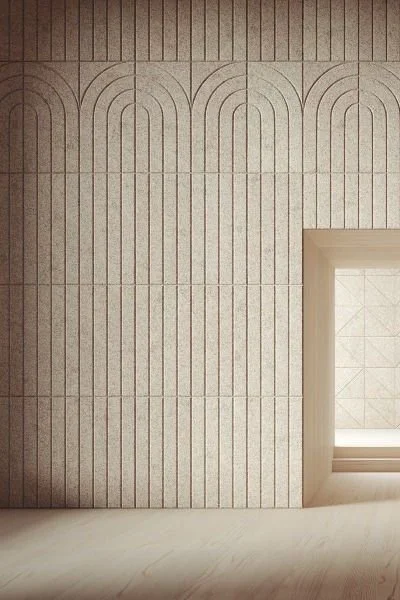
Acoustics are another crucial component of HCD. In addition to comfortable environments, they promote occupant health and productivity.
Exposure to decibels over 85 can cause tinnitus (ringing of the ear). Prolonged noise at this level can cause hearing loss. Distracting noise also induces stress. It limits productivity. Absorbing and diffusing noise enhances privacy and improves focus in HCD interiors.
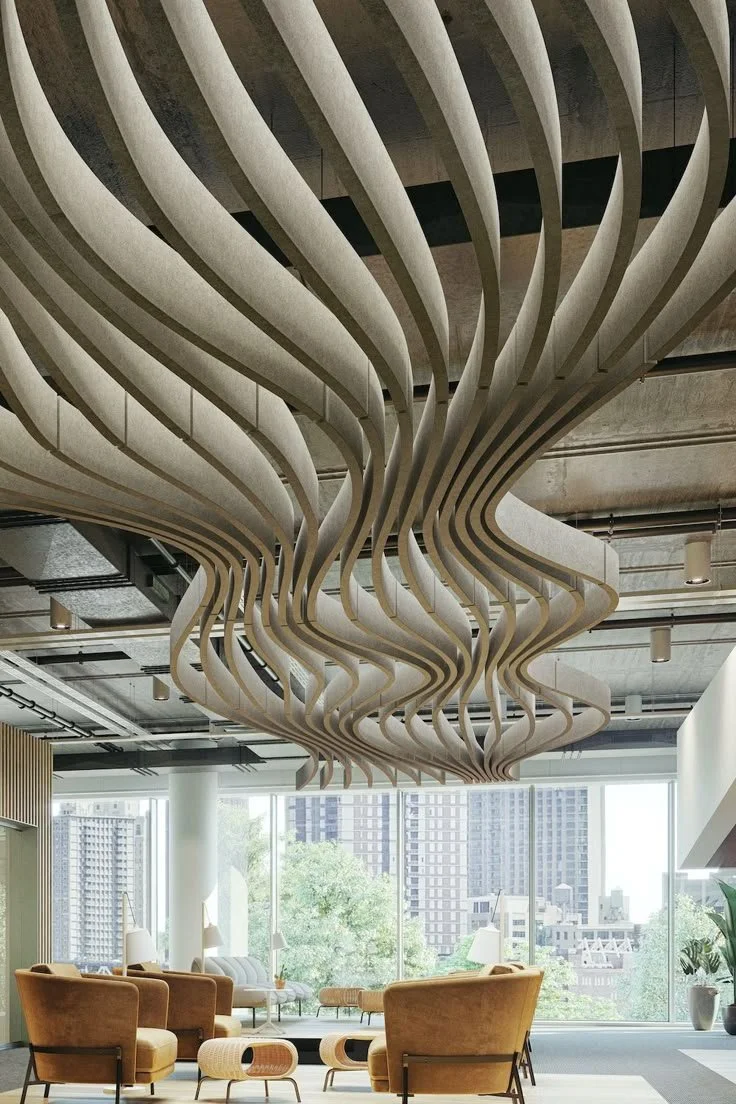
HCD should inspire movement. Inviting staircases. Adaptable spaces. Ergonomic environments. Designing for movement encourages physical activity over sedentary use.
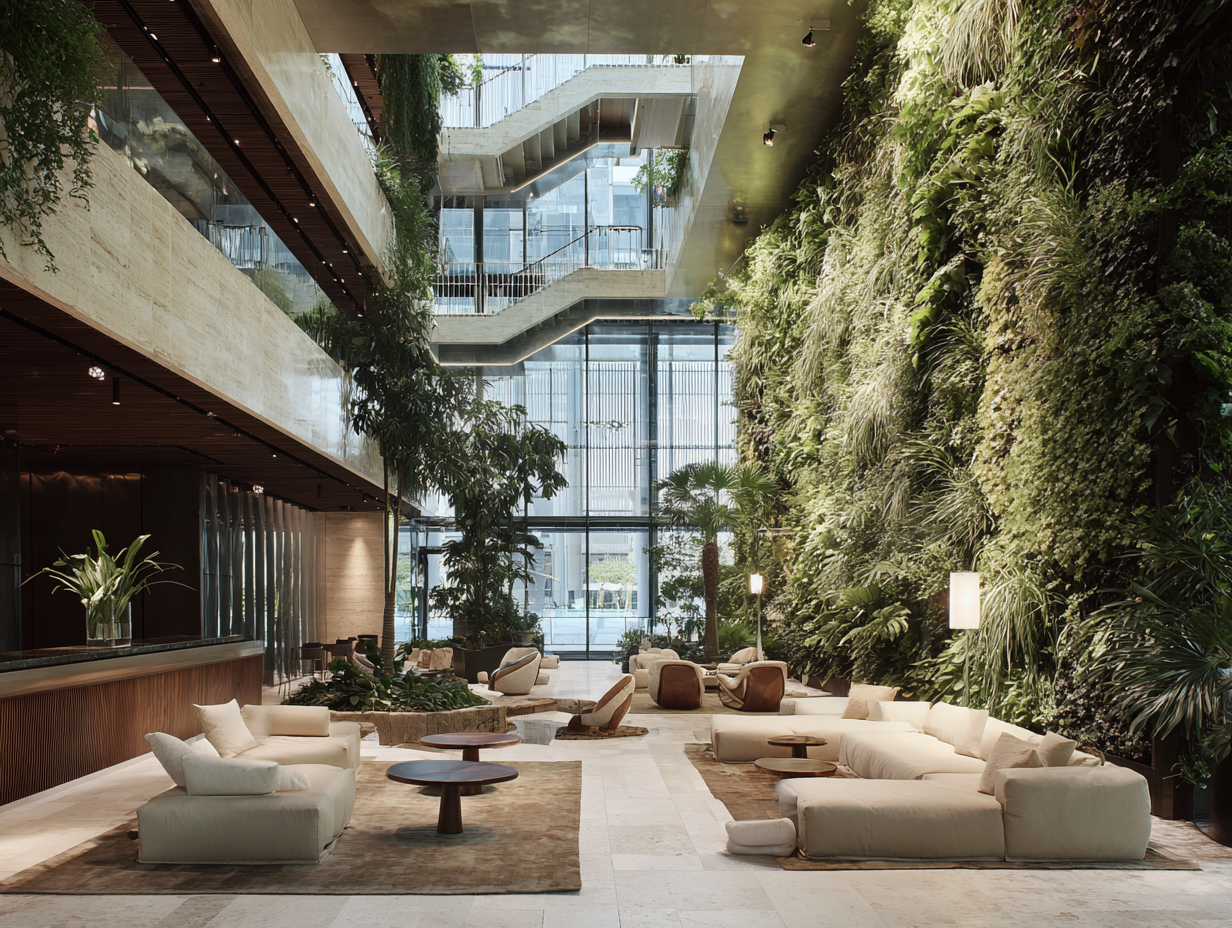
Commercial Lobby Space by KNOF design
Benefits of Human-Centered Design
HCD is more than a trend. It offers tangible benefits for a facility that make it just as much an investment as a design style.
Start with well-being. Bright, inviting spaces. Outstanding air quality. Restorative spaces. People are drawn to facilities that make them feel good.
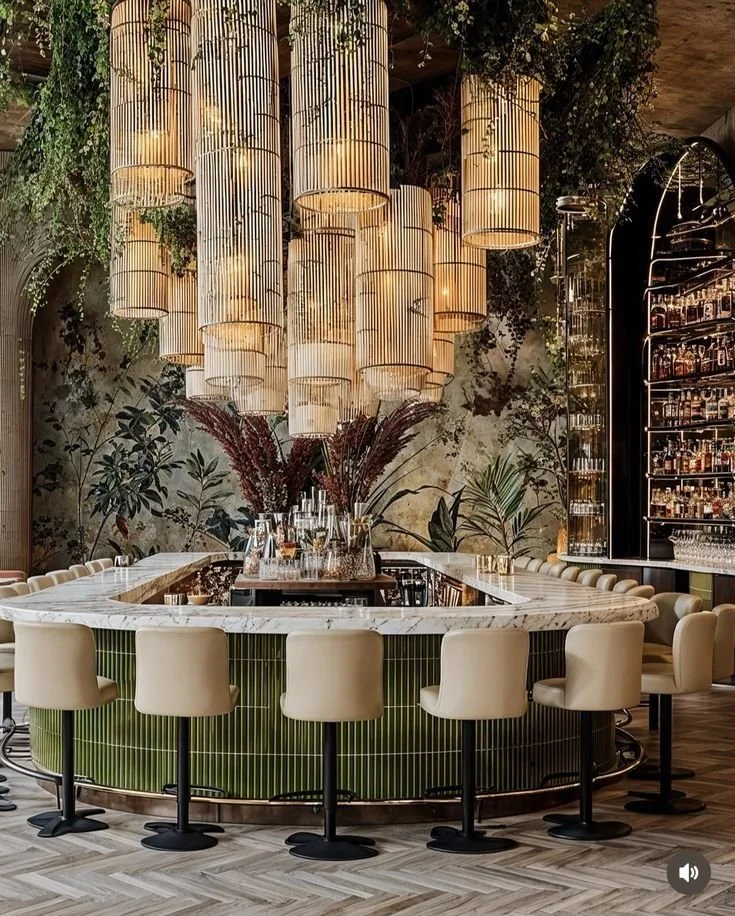
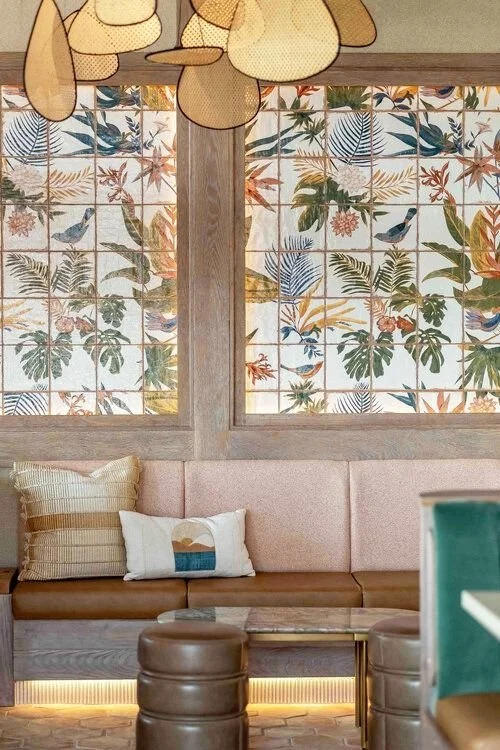
Improved engagement and productivity are also apparent. When a building is aligned with comprehensive human needs, it enhances focus and creativity. Thus, an overall spike in performance.
Greater inclusivity is another major benefit. HCD reduces physical, cognitive, and cultural barriers between building occupants. This enables broad access and universal participation.
Finally, HCD enhances the long-term value of the structure. Greater occupancy. Less turnover. Ongoing relevance. These are powerful drivers for the building’s continuous revenue potential.
Interior Design Ideas That Use a Human-Centered Approach
Let’s visualize a multi-use commercial building and project how to implement HCD concepts into the interior layout.
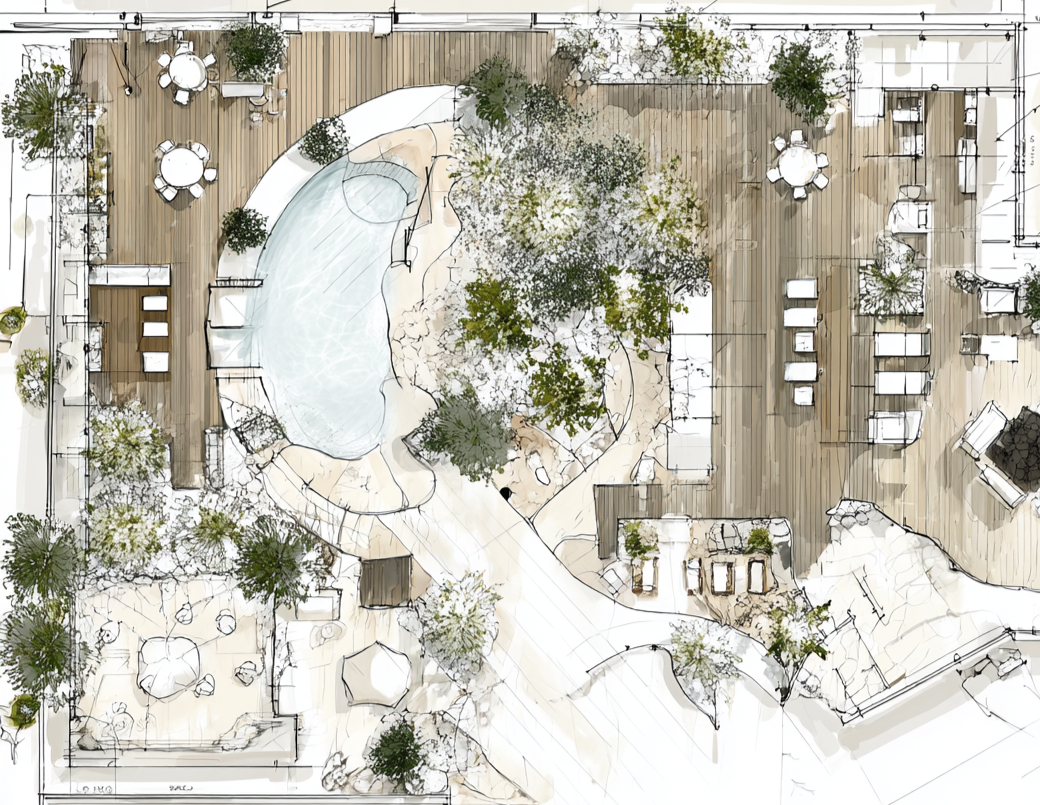
Start with a light-filled central commons. Anchor it with a live moss wall and flexible seating areas. Zone the commons from cafe to co-working to community event space. Layer warm, low-VOC natural materials (exposed wood ceiling beams, granite counters). Install acoustic baffles to limit noise transfer within the open space. Keep the stairways open and visible (glass, tensioned cable) to encourage movement without compromising safety.
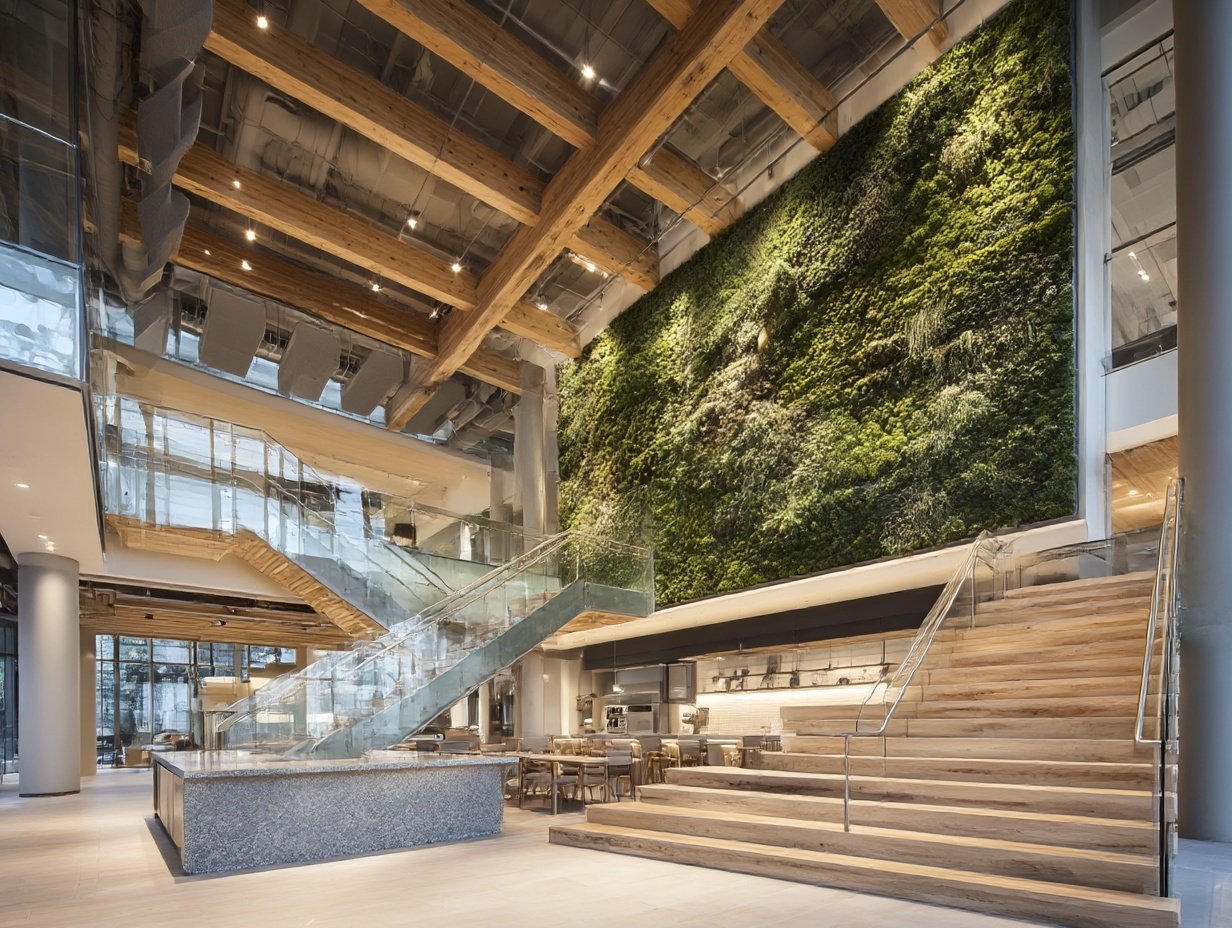
Mixed Use Space Concept by KNOF design
Now let’s think about a specific unit in a downtown apartment complex.
Picture a studio organized around a daylight “spine”: entry storage, compact kitchen, and bath along one wall. It opens to a flexible living-sleeping zone by the windows. Use sliding panels to modulate privacy. Warm natural materials for tactile comfort. Apply integrated acoustic treatments and layered lighting to follow circadian rhythms.
This natural layout creates a small footprint that feels calm and adaptable without sacrificing the personal element of “home.”
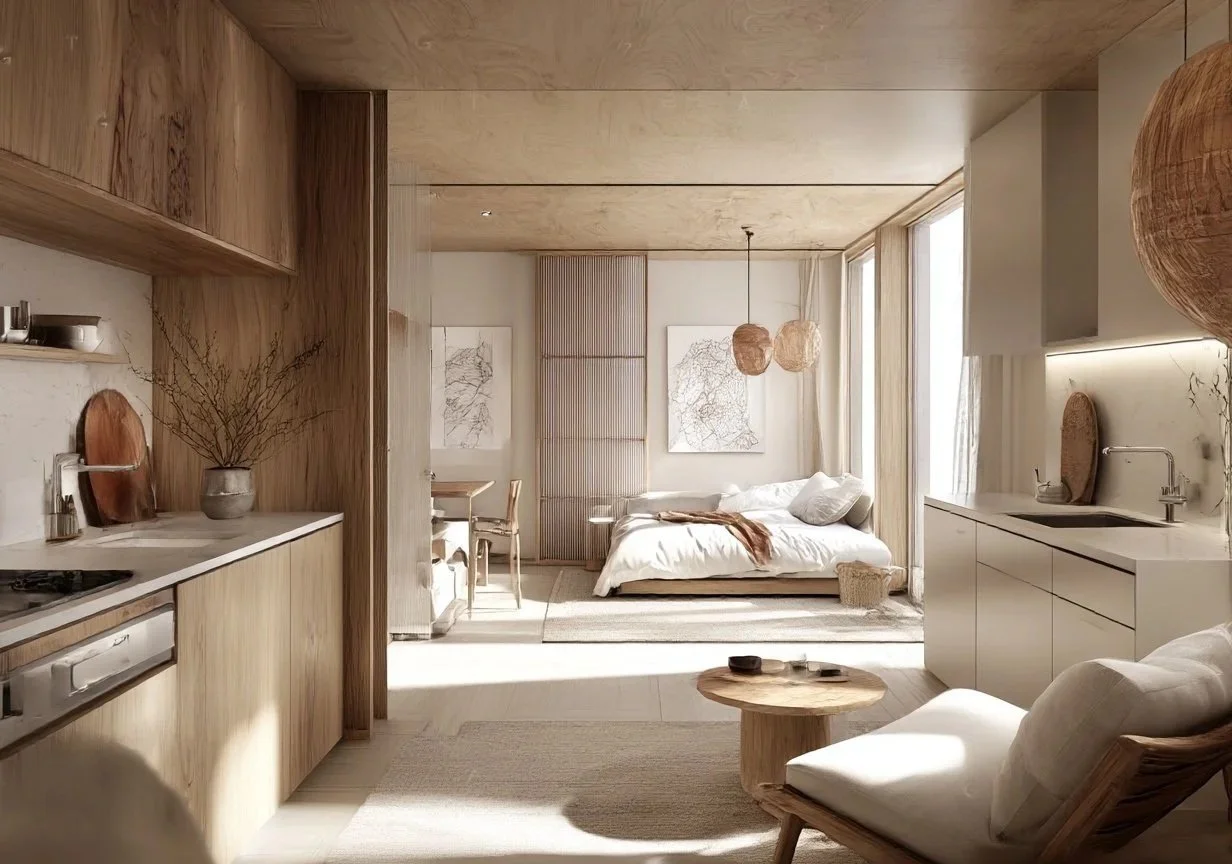
Interior for Compact Living Concept by KNOF design